
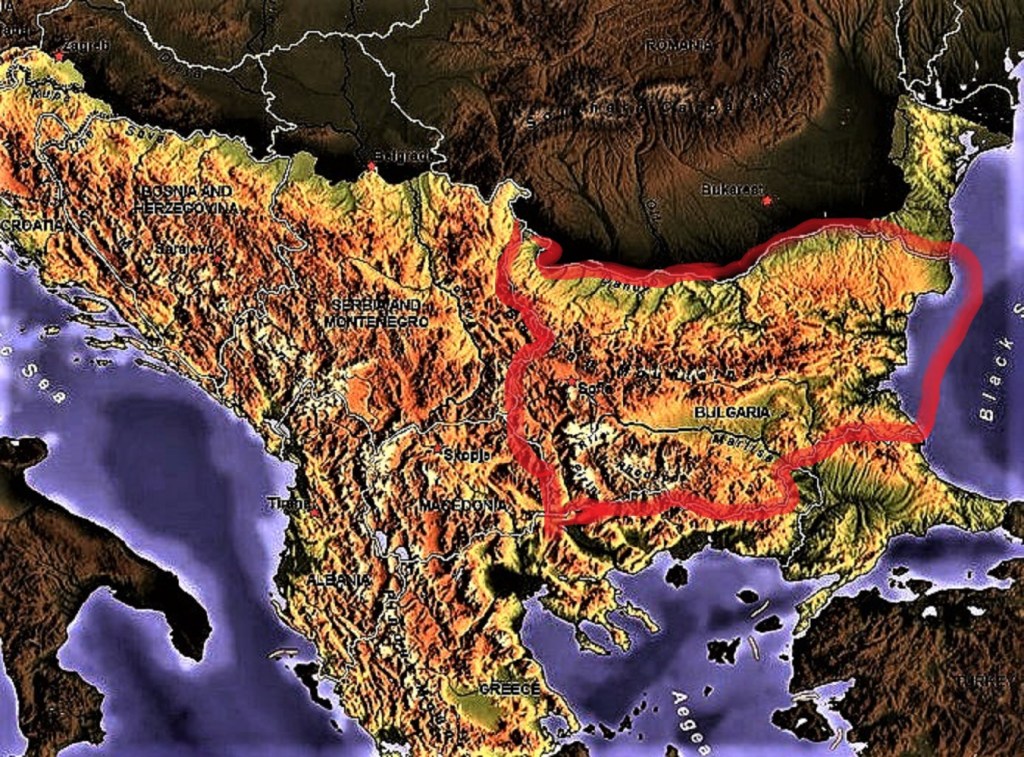
Nestled in the heart of the Balkans, Bulgaria occupies a unique geopolitical position, serving as a bridge between Central, Eastern, and Southeast Europe. The country’s strategic location, historical context, and regional dynamics have made it a key player in the complex web of geopolitical interests. In this comprehensive article, we will delve into the multifaceted geopolitics of Bulgaria, exploring its historical background, regional relationships, EU membership, energy diplomacy, and its role in balancing global power dynamics.
Understanding the geopolitics of Bulgaria requires an appreciation of its historical context. The country’s history is intertwined with a rich tapestry of empires, revolutions, and territorial shifts. From the Byzantine and Ottoman Empires to the era of Soviet influence, Bulgaria has experienced periods of foreign domination, independence struggles, and geopolitical realignments. This historical backdrop shapes Bulgaria’s worldview, national identity, and foreign policy choices.
Bulgaria’s regional relationships play a pivotal role in its geopolitical positioning. Being surrounded by neighbors such as Romania, Serbia, North Macedonia, Greece, and Turkey, Bulgaria is an active participant in regional initiatives. Ties with Romania are particularly significant, as the two countries share historical, linguistic, and cultural affinities. Cooperation with North Macedonia has improved in recent years, contributing to regional stability. However, unresolved historical disputes, such as those with Greece and Turkey, continue to present challenges to Bulgaria’s regional dynamics.
Bulgaria’s accession to the European Union in 2007 marked a significant milestone in its geopolitical trajectory. EU membership has been a driving force behind Bulgaria’s reforms, modernization efforts, and economic development. However, challenges such as corruption, rule of law issues, and socioeconomic disparities persist, requiring ongoing attention. Bulgaria’s position within the EU gives it access to a broader market, opportunities for investment, and a voice in shaping EU policies, particularly in relation to the Western Balkans.
Bulgaria’s strategic location has made it a crucial player in energy diplomacy in the region. The country serves as a major transit route for oil and gas pipelines, connecting the energy-rich Caspian region and the Middle East with Western Europe. The construction of projects like the Trans-Adriatic Pipeline and the TurkStream pipeline solidifies Bulgaria’s position as an important energy hub. However, this energy dependence also poses challenges, as it can make the country vulnerable to geopolitical pressures from energy suppliers.
Bulgaria’s geopolitical landscape is influenced by its relationships with major global powers. Traditionally, Bulgaria has maintained close ties with Russia, owing to shared historical, linguistic, and cultural connections. However, its EU membership and NATO alliance necessitate a careful balancing act. Bulgaria also seeks to diversify its partnerships, engaging with China through the 17+1 framework and pursuing economic cooperation, particularly in infrastructure projects. Managing relations with the United States, Turkey, and other global actors further adds complexity to Bulgaria’s geopolitical agenda.
Bulgaria faces both challenges and opportunities in its geopolitical landscape. Addressing internal challenges such as corruption, improving governance, and narrowing socioeconomic disparities are essential for enhancing its geopolitical standing. Strengthening regional cooperation, resolving historical disputes, and contributing to stability in the Western Balkans are crucial objectives. Additionally, harnessing the potential of digitalization, innovation, and sustainable development can position Bulgaria as a key player in emerging sectors, attracting investment and fostering economic growth.
The geopolitics of Bulgaria present a captivating tapestry of historical legacies, regional dynamics, EU integration, energy diplomacy, and global power struggles. As Bulgaria navigates its complex position, it must continue to adapt to evolving regional and global challenges. Resolving historical disputes, promoting regional cooperation, and strengthening institutions are essential for Bulgaria to solidify its geopolitical standing. Embracing sustainable development, innovation, and digitalization will open new avenues for economic growth and enhance Bulgaria’s role as a regional player. By balancing its relationships with EU partners, neighboring countries, and global powers, Bulgaria can further leverage its strategic position in Southeast Europe and actively shape its own geopolitical future.

 EAST AND WEST
Leave a comment