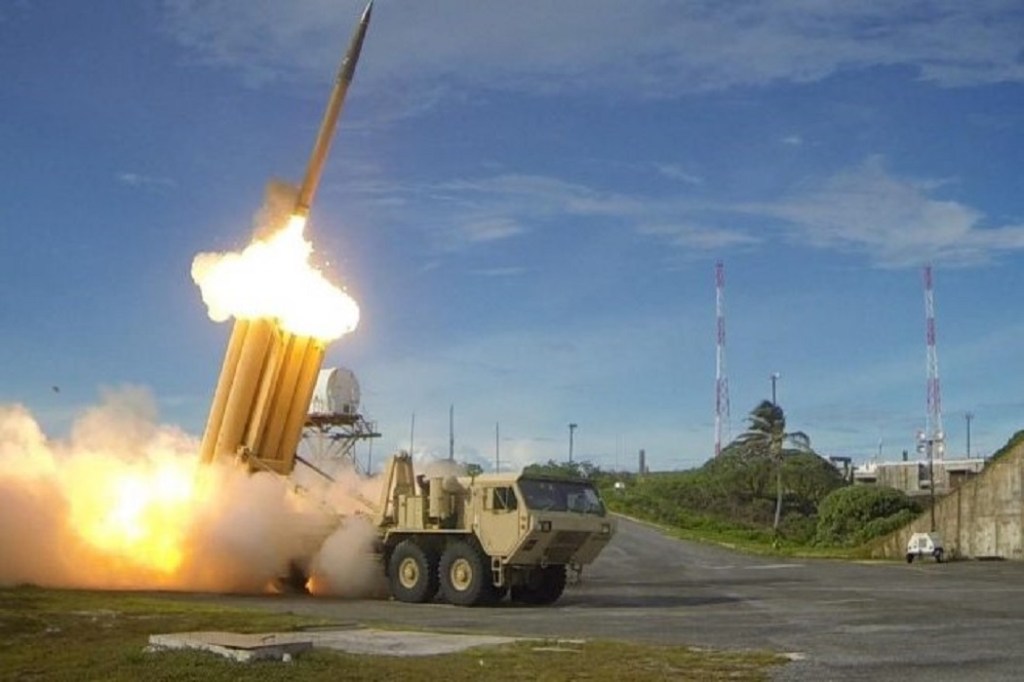
In today’s rapidly evolving world, warfare has undergone a paradigm shift due to technological advancements, changing geopolitical landscapes, and unconventional threats. Winning a war in the modern era demands a comprehensive understanding of contemporary warfare strategies, cutting-edge technology, and adaptive tactics.
Strategic Planning and Intelligence Gathering
Winning a modern war begins long before the first shots are fired. Strategic planning and intelligence gathering form the bedrock of any successful military campaign. Gaining an in-depth understanding of the enemy’s capabilities, intentions, and vulnerabilities is critical to shaping effective military strategies.
In today’s digital age, intelligence agencies leverage advanced technologies, such as satellites, drones, and cyber capabilities, to gather real-time and actionable intelligence. These tools enable military planners to anticipate enemy movements, disrupt their operations, and gain a significant advantage on the battlefield. Additionally, sophisticated analytics and data integration help identify patterns, predict enemy behavior, and optimize resource allocation for maximum impact.
Asymmetric Warfare and Hybrid Tactics
Modern conflicts are often characterized by asymmetrical warfare, where conventional forces face unconventional adversaries, including insurgent groups, terrorists, and non-state actors. Successfully countering these threats necessitates adapting to unconventional tactics and embracing a flexible and adaptive approach.
Combating asymmetrical warfare involves integrating special forces, intelligence assets, and precision strike capabilities. Emphasis should be placed on accurate targeting, minimizing collateral damage, and engaging with the local population to win hearts and minds. Furthermore, comprehensive counterinsurgency strategies that address root causes, such as socio-economic disparities and political grievances, are essential for achieving long-term stability and sustainable peace.
Technological Superiority
Technological advancements have revolutionized the face of warfare, providing unprecedented capabilities to modern militaries. From unmanned aerial vehicles (UAVs) and precision-guided munitions to advanced communication systems and cyber warfare capabilities, leveraging superior technology is crucial for gaining a decisive edge on the battlefield.
Superior technology offers enhanced situational awareness, precision striking capabilities, and force multiplication. Stealth technology, electronic warfare systems, and autonomous vehicles can disrupt enemy operations and infrastructure, providing a significant advantage. However, it is crucial to remember that technology alone does not guarantee victory. Effective training, competent leadership, and seamless integration of technology with tactical operations are vital for success.
Joint Operations and Coalition Building
Modern warfare often requires joint operations involving multiple branches of the military and international coalition partners. Collaborative efforts enable the sharing of intelligence, coordination of resources, and synergy among diverse forces. Effective communication, interoperability, and interagency cooperation are imperative to achieve mission objectives.
Building international coalitions and securing diplomatic support are equally significant. Coalition partnerships not only enhance military capabilities but also contribute to diplomatic efforts, humanitarian assistance, and post-conflict stabilization. Engaging in robust diplomatic initiatives, forging alliances, and aligning strategic interests can maximize international support and minimize risks of escalation.
Psychological and Information Warfare
Winning a modern war extends beyond conventional combat; it involves shaping perceptions, controlling information, and influencing public opinion. Psychological warfare aims to undermine the enemy’s morale, create confusion, and manipulate the narrative. Information warfare leverages cyberspace, propaganda, and disinformation to gain an advantage.
Cyberattacks, data breaches, and the dissemination of false narratives can disrupt enemy infrastructure, erode public trust, and create chaos. Developing robust cyber defenses, investing in media literacy programs, and countering propaganda efforts are vital components of winning the information war. Additionally, engaging with local populations, addressing grievances, and emphasizing humanitarian assistance can foster trust and garner support.
Winning a war in the modern era demands a multi-dimensional approach that encompasses strategic planning, intelligence gathering, technological superiority, joint operations, and psychological warfare. The days of relying solely on military might for victory are long gone. Ethical considerations, such as minimizing civilian casualties and adhering to international laws, must always be paramount.
To achieve success in modern warfare, nations must embrace adaptability, innovation, and a deep understanding of the ever-changing geopolitical landscape. By integrating these principles with advanced technology, comprehensive intelligence capabilities, and collaborative partnerships, countries can strive for victory in the face of evolving threats and challenges. It is through a holistic and forward-thinking approach that nations can secure their interests, ensure long-term stability, and promote a safer world for generations to come.

 EAST AND WEST
Leave a comment