Culture
-
Sartre and drugs
Jean-Paul Sartre, a prominent figure in existentialist philosophy and literature, is best known for his contributions to existentialist thought and his iconic works such as “Being and Nothingness” and “Nausea.” His philosophical explorations revolve around themes of freedom, authenticity, and the inherent anguish of human existence. However, Sartre’s personal life was not devoid of controversy… Continue reading
-
Intellectuals, recognition and conformity
Intellectuals play a pivotal role in shaping society’s discourse, challenging norms, and advancing knowledge. Their contributions have led to profound transformations in various fields, from politics and philosophy to science and the arts. However, the life of an intellectual is not one of ease and privilege. Contrary to popular belief, intellectuals do not live in… Continue reading
-
Le français comme langue d’une Europe unie
Alors que le monde devient de plus en plus interconnecté, la nécessité d’une langue commune facilitant la communication et la coopération efficaces entre les nations se fait de plus en plus évidente. Dans le contexte d’une Europe unie, où coexistent des cultures et des langues diverses, le choix d’une langue commune revêt une importance capitale… Continue reading
-
20 films from Eastern Europe
Eastern Europe has a rich cinematic tradition that has produced some extraordinary films over the years. These films represent the diverse cultural heritage of the region and showcase the exceptional storytelling and artistic prowess of Eastern European filmmakers. “Time of the Gypsies” (Yugoslavia, 1988)Directed by Emir Kusturica, this captivating Yugoslavian drama follows the life of… Continue reading
-
Proust against Sainte-Beuve
In the vast landscape of literary criticism, few controversies have captured the imagination of scholars and readers alike as intensely as the clash between Charles-Augustin Sainte-Beuve and Marcel Proust. These two renowned figures, separated by generations but united by their pursuit of understanding literature, engaged in a bitter dispute that fundamentally challenged traditional notions of… Continue reading
-
The end of Fukuyama
In 1989, Francis Fukuyama presented his controversial thesis of the “end of history”, arguing that the worldwide triumph of liberal democracy and capitalism marked the ultimate destination of human ideological evolution. According to Fukuyama, the collapse of communism and the subsequent dominance of liberal democracy signaled the end of humanity’s ideological struggle, leaving no room… Continue reading
-
Romanticism and nationalism
Johann Gottfried Herder, a prominent German philosopher and poet, played a pivotal role in shaping the development of German Romanticism and its subsequent impact on nationalism and chauvinism. Born in Riga, Latvia, in 1744, Herder’s ideas and writings emphasized the uniqueness and value of different cultures and nations. While he celebrated cultural diversity and advocated… Continue reading
-
Fake liberals and the working class

In today’s polarized political climate, there is a prevailing narrative that liberals champion inclusivity, tolerance, and progressiveness. However, beneath the veneer of liberalism, despite claiming to champion the working class, so called liberals often exhibit a remarkable disconnect from their struggles and an elitist disdain for their way of life. These fake liberal elitists present… Continue reading
-
Plato’s Academy
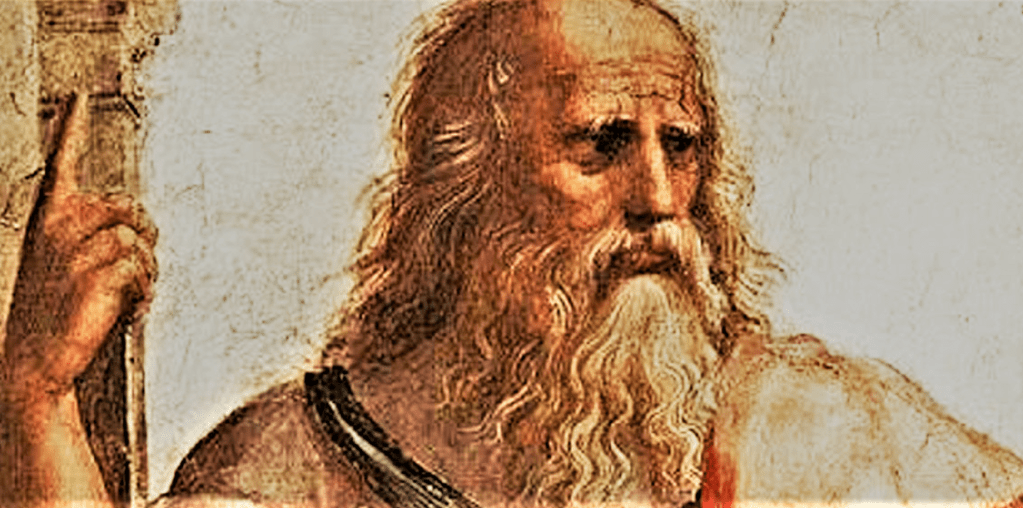
In the annals of human civilization, few institutions have left an indelible mark on the pursuit of knowledge and the development of philosophical thought quite like Plato’s Academy. Established by Plato in 387 BCE, this iconic educational institution in Athens became the epicentre of intellectual discourse, nurturing some of the greatest minds of the ancient… Continue reading
-
Cinema is mostly a waste of time

Cinema, once hailed as a profound art form that transcended boundaries and connected people through storytelling, is now under scrutiny. While it has undeniably produced masterpieces that have left an indelible mark on our cultural landscape, the flaws and criticisms of cinema as an art form are becoming increasingly evident. Today cinema is conceived to… Continue reading
-
The neoliberal mystique of the markets
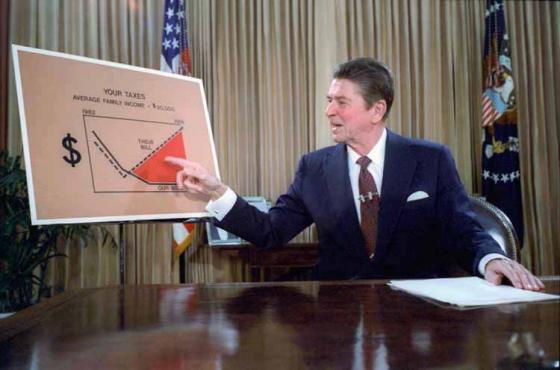
Neoliberalism, a prevailing ideology in economic and political realms since the late 20th century, has extolled the virtues of the market as an infallible force guided by rational actors who always make optimal decisions. Neoliberalism traces its roots to the early 20th century, emerging as a response to perceived failures of Keynesian economics and the… Continue reading
-
Claude Lévi-Strauss and structuralism

Structuralism is a theory that has its roots in the structural linguistics of Ferdinand de Saussure. The idea is that the structure of a system or object is more important than the individual components that make it up. This means that it is not the individual parts of a society, for example, that are important,… Continue reading
-
Kamasutra
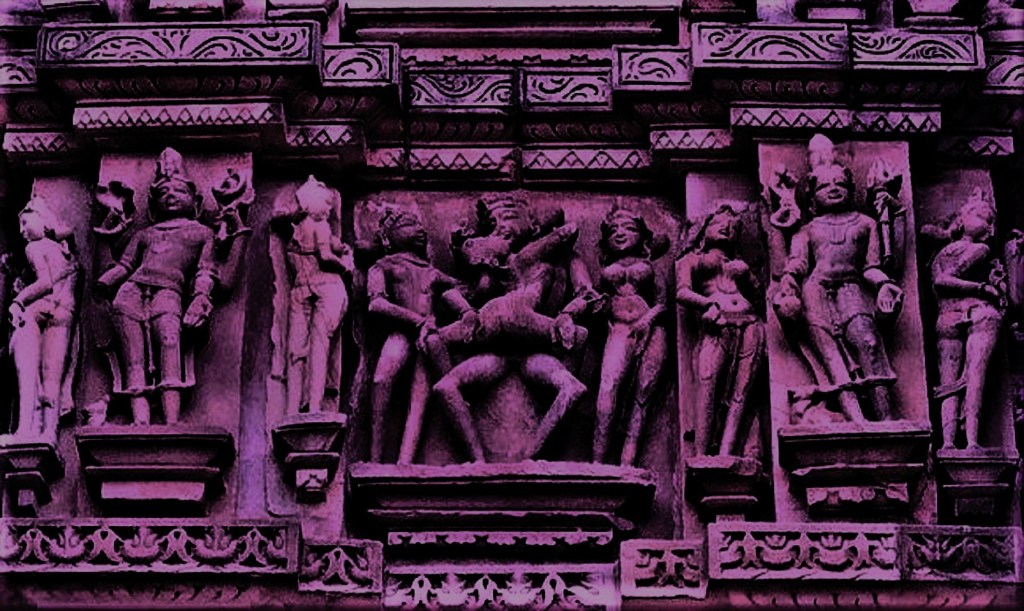
Sexual intimacy is a vital aspect of human relationships, with the potential to bring pleasure, connection, and personal growth. For centuries, the Kamasutra, an ancient Indian text written by Vatsyayana, has been revered as a guide to the art of lovemaking. Rooted in the philosophy of love, desire, and sensuality, the Kamasutra offers a comprehensive… Continue reading
-
Anti-Americanism in France
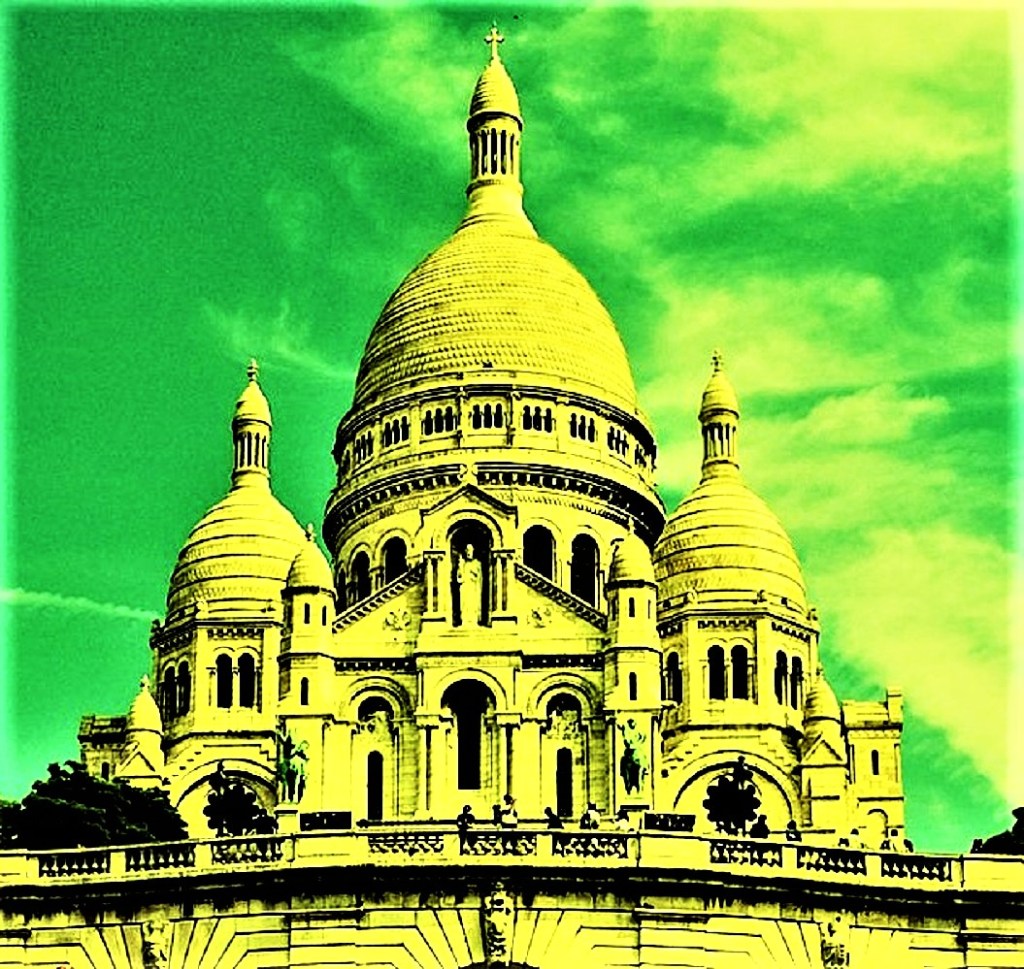
Anti-Americanism is a complex phenomenon that has been observed in various countries across the world, and France is no exception. For decades, France has had a complicated relationship with the United States, characterized by a mix of admiration, envy, and scepticism. This article aims to delve into the historical roots and contemporary manifestations of anti-Americanism… Continue reading
-
Nietzsche, Europa und der Orient
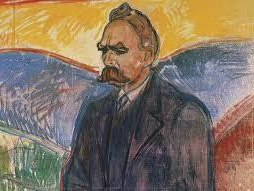
Nietzsche betrachtete Europa als einen Ort des Umbruchs und der Transformation. Er war der Meinung, dass die traditionellen religiösen, philosophischen und moralischen Wertvorstellungen, die Europa geprägt hatten, im Niedergang begriffen seien. Nietzsche kritisierte insbesondere das Christentum und dessen Einfluss auf die europäische Kultur, das er als eine Religion der Schwäche und der Unterdrückung ansah. Er… Continue reading
-
The decline of Ancient Greece
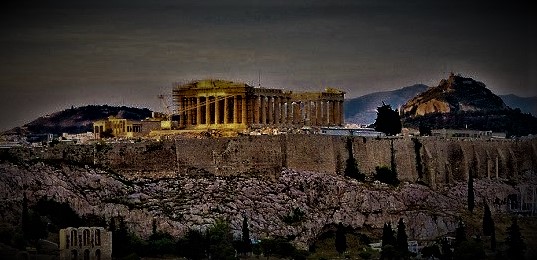
The ancient Greek civilization is widely recognized as one of the most significant and influential civilizations in human history. During its prime, ancient Greece produced a rich cultural and intellectual legacy that continues to influence Western culture to this day. However, despite its many accomplishments, ancient Greece eventually experienced a period of decline that would… Continue reading
-
Nietzsche and Europe
Friedrich Nietzsche lived during a time of significant societal and cultural changes in Europe. The 19th century was marked by the rise of nationalism, industrialization, urbanization, and the spread of Enlightenment ideals. Nietzsche, however, was critical of the direction in which European society was heading. He saw modernity as a period of nihilism, where traditional… Continue reading
-
From the East to the West: How Yoga came to the West
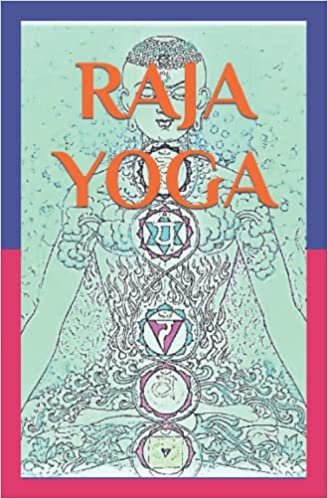
Yoga, an ancient practice that originated in the East, has gained immense popularity in the West over the past century. What began as a spiritual and physical practice in ancient India has transformed into a global phenomenon that has influenced Western culture, lifestyle, and wellness practices. The journey of yoga from the East to the… Continue reading
-
Nietzsche and the East
Friedrich Nietzsche, the German philosopher, known for his critique of traditional beliefs, also had intriguing thoughts about the East. In his works, Nietzsche frequently referenced and engaged with Eastern cultures, particularly those of ancient India and China. His views on the East were complex, and they have been a subject of scholarly debate over the… Continue reading
-
What is Cultural Marxism?

Cultural Marxism is a widely debated concept that refers to a set of Marxist ideas that have been applied to cultural and social issues. While some argue that Cultural Marxism is a legitimate academic field, others see it as a dangerous ideology that seeks to undermine traditional values and institutions. The roots of Cultural Marxism… Continue reading
 EAST AND WEST