Culture
-
Is Western philosophy dead?
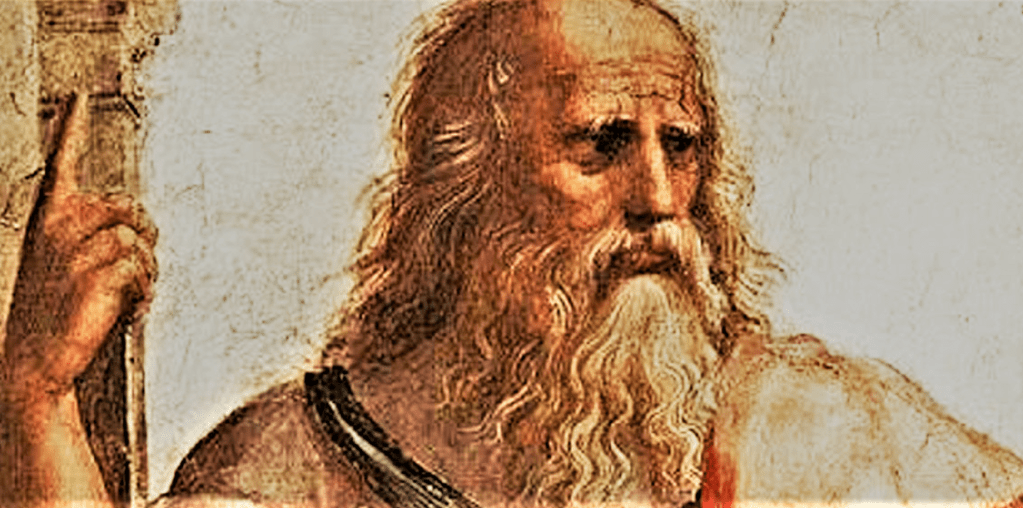
The question of whether Western philosophy is dead is a complex and multifaceted one. On the one hand, there are those who argue that Western philosophy has become too narrow and specialized, detached from the concerns of everyday life and overly concerned with abstract theoretical concepts. On the other hand, there are those who believe… Continue reading
-
Phenomenology of the contemporary western intellectual

Let’s start by making a clarification: it is obvious that every intellectual is different and unique in his own way and it would be unfair to say that intellectuals are all the same. But at the same time we can identify common characteristics that allow us to formulate a hypothesis of sociology of today’s Western… Continue reading
-
Relations between India and China
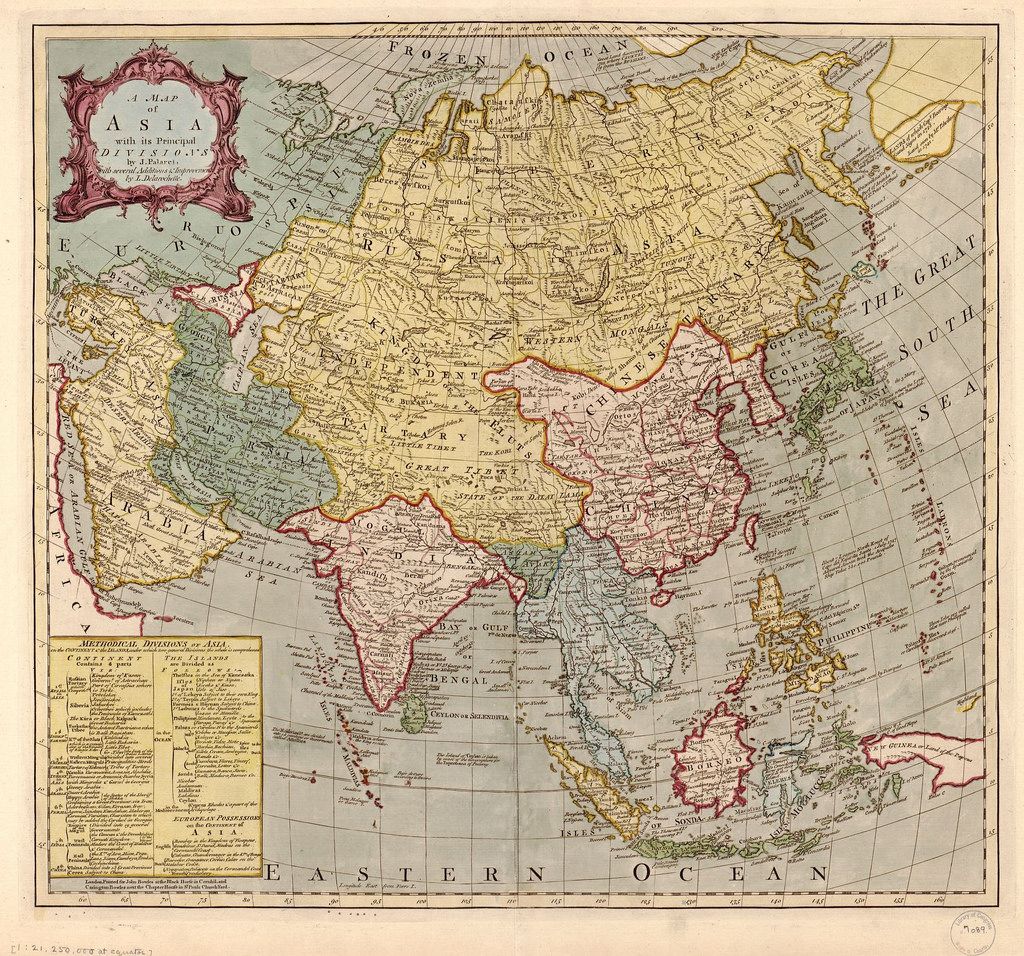
India and China are two of the world’s most populous and influential countries, and their relationship has been marked by both cooperation and conflict over the years. India and China share a long history of cultural and economic exchange, but their modern relationship has been shaped by territorial disputes, geopolitical rivalries, and economic competition. Historical… Continue reading
-
The East and the West

For centuries, the West has been fascinated with the East. This fascination has taken many forms, ranging from colonialism and imperialism to the exploration of Eastern religions and philosophies. In this article, we will explore the historical, cultural, and philosophical factors that have contributed to this fascination and its ongoing impact on Western society. Historical… Continue reading
-
Nietzsche and France
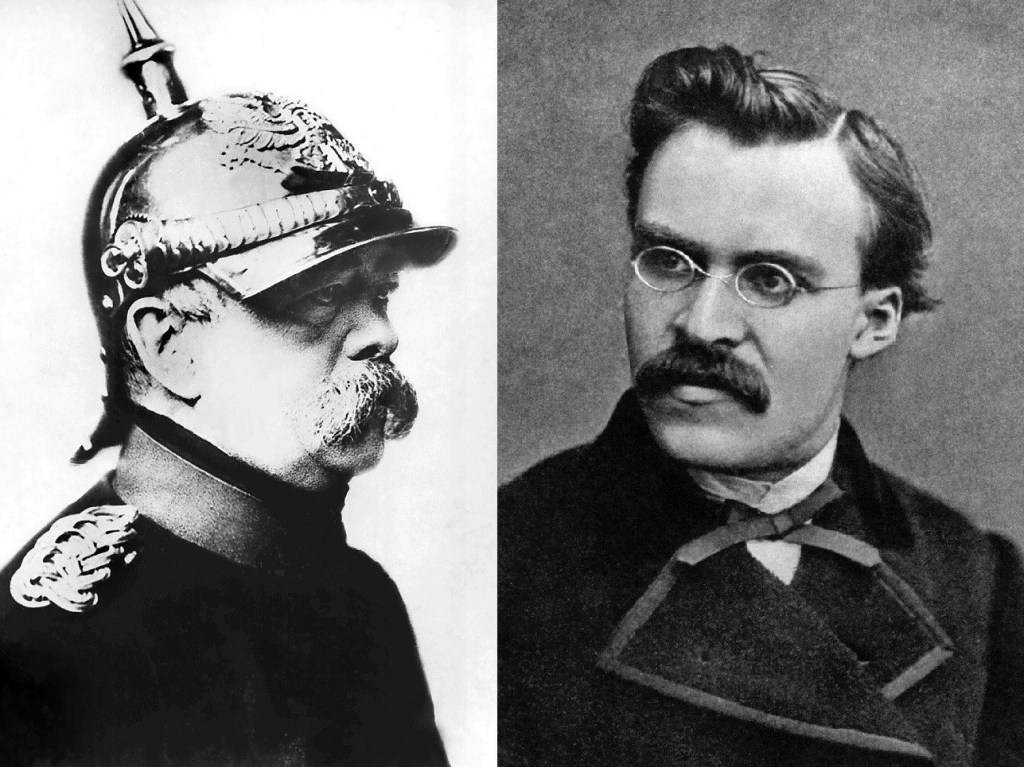
Friedrich Nietzsche was a German philosopher, cultural critic, and poet who lived from 1844 to 1900. Although Nietzsche is often associated with German culture, his work also contains many reflections on French culture and society. Nietzsche’s relationship to France and French culture was complex, with both admiration and criticism for various aspects of French culture.… Continue reading
-
Nietzsche et la France
Friedrich Nietzsche était un philosophe allemand, critique culturel et poète qui a vécu de 1844 à 1900. Bien que Nietzsche soit souvent associé à la culture allemande, son travail contient également de nombreuses réflexions sur la culture et la société françaises. La relation de Nietzsche avec la France et la culture française était complexe, avec… Continue reading
-
Indian philosophy and ancient Greece
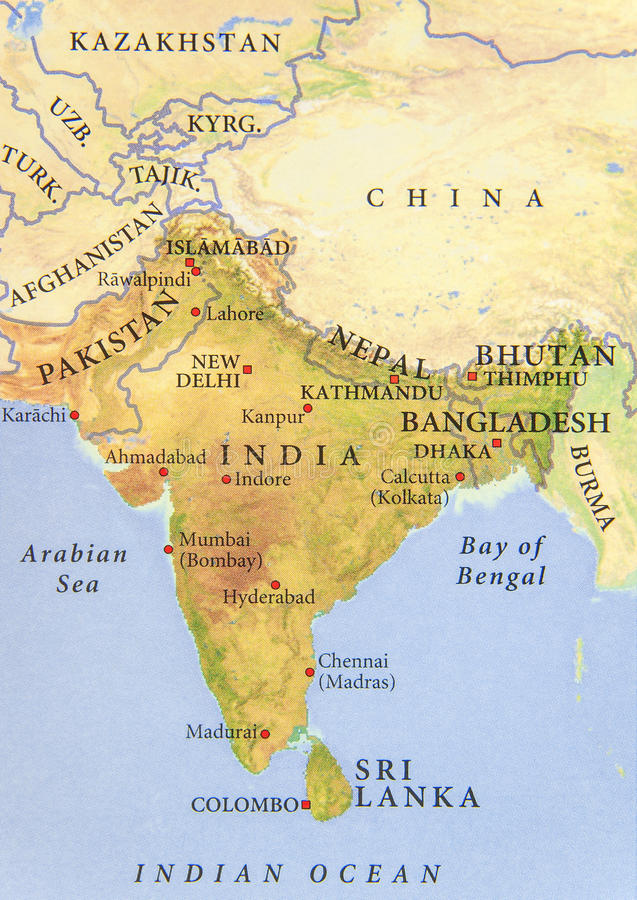
Indian philosophy and ancient Greek philosophy are two of the most influential philosophical traditions in the world. While they may have evolved independently of each other, they share some commonalities in their ideas and concepts. In this essay, we will explore the relationship between Indian philosophy and ancient Greek philosophy and how they have influenced… Continue reading
-
Is the West living through an era of decadence?

The question of whether the West is experiencing an era of decadence is a complex and multifaceted one, with many different perspectives and interpretations. Some argue that the West is in a period of decline, characterized by excessive indulgence, materialism, and moral decay, while others argue that this view is overstated or even unfounded. In… Continue reading
-
The Western fascination with the East – part I
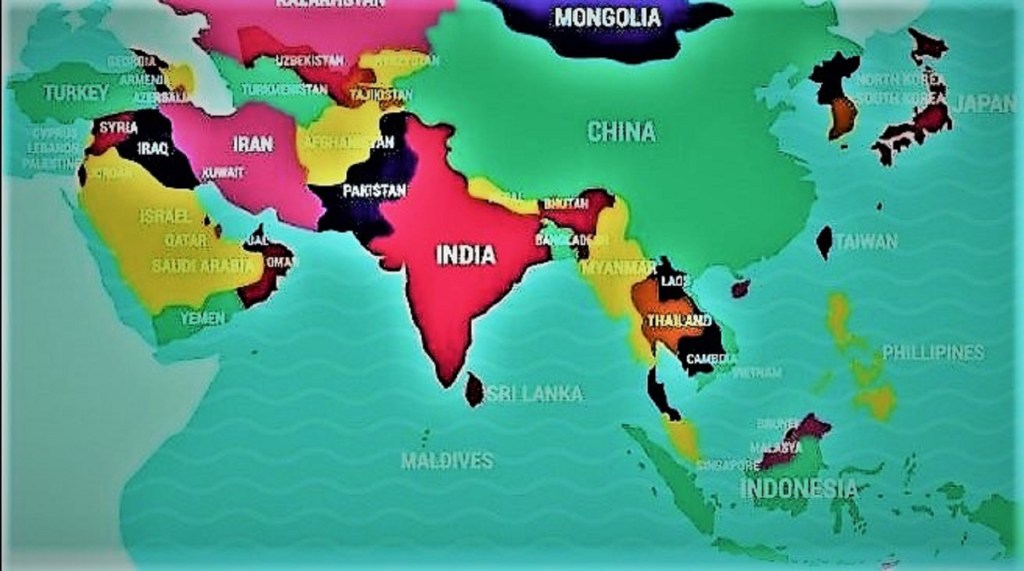
Is Orientalism A Sign of Western Decadence? Relations between “the East” and “the West” have always been complex throughout history. At the beginning of time, at the dawn of history, everything was clear: the Orient was the birthplace of culture and civilisation. “Ex oriente lux”, like the Romans said, light comes from the East, the… Continue reading
-
Why is Hegel important?

Georg Wilhelm Friedrich Hegel (1770-1831) was a German philosopher whose ideas have had a profound impact on Western philosophy and intellectual history. He is regarded as one of the most important philosophers of the modern era, and his influence can be seen in many areas of thought, including politics, ethics, aesthetics, and metaphysics. In this… Continue reading
-
Schopenhauer and Indian philosophy
Arthur Schopenhauer, the 19th-century German philosopher, is known for his pessimistic philosophy of life and his keen interest in Eastern philosophy, particularly Indian philosophy. Schopenhauer’s philosophy is heavily influenced by the Indian philosophy of Vedanta and Buddhism, and his works contain many references to these traditions. In this article, we’ll explore Schopenhauer’s fascination with Indian… Continue reading
-
The myth about Ukrainian democracy
Intellectuals pride themselves immensely for supposedly being people (generally the only people) who can with unfailing ability distinguish what is true from what is not true; of course only what is true matters. The intellectuals are intellectuals because they can tell myth from reality. Yet, as experience suggests, there is hardly anyone in the world… Continue reading
-
The Shocking Truth About the Dark Side of Social Media: How It’s Secretly Affecting Your Mental Health!

Social media has become an integral part of our daily lives. We use it to connect with friends and family, share our thoughts and experiences, and stay up-to-date with the latest news and trends. But what if we told you that social media has a dark side that’s secretly affecting your mental health? However there… Continue reading
-
Закат западной философии?
Чтобы понять конечное предназначение (Bestimmtheit) философии— не как университетской дисциплины, а как антропологической установки, как способа бытия в мире —, прежде чем спрашивать себя о ее судьбе (Geschick), нам, безусловно, следует обратиться к происхождению самой философии. Философия, как написал знаменитый итальянский философ Эмануэле Северино, «рождается великой», то есть содержит в своем восходе и рассвете весь… Continue reading
-
Ist die westliche Philosophie zum Untergang bestimmt?
You can read this text in English here. Um die letzte Bestimmung (auch „Bestimmtheit“) der Philosophie zu verstehen, bevor wir uns fragen, ob die Philosophie noch eine Ziel, ein Geschick haben kann – nicht als Universitätsdisziplin, sondern als anthropologische Haltung, als Weise des In-der-Welt-Seins –, müssen wir uns zunächst ihrem Ursprung zuwenden. Die Philosophie, schrieb… Continue reading
-
Is Western philosophy destined for decline?
To understand the ultimate destination (what some German philosophers have called Bestimmtheit) of philosophy, before asking ourselves about its having or not having – not as a university discipline, but as an anthropological posture, as a way of being in the world – still a Destiny (Geschick), we must certainly first of all turn to… Continue reading
-
India and the West
India, with its rich history, diverse culture, and ancient traditions, has had a significant impact on the Western world. India’s influence on the West spans several areas, including religion, philosophy, literature, art, music, and cuisine. In this essay, we will explore some of the ways in which India has shaped Western culture. One of the… Continue reading
-
The decline of the West?
The concept of the decline of the West has been debated and discussed by scholars and thinkers for more than a century. The term was first used by the German philosopher Oswald Spengler in his book “The Decline of the West” (Der Untergang des Abendlandes), published in 1918. Spengler argued that Western civilization was in… Continue reading
-
The decline of France
France has long been considered a global power, with a rich history and culture that have influenced many aspects of Western civilization. However, in recent years, there has been a growing concern that France is in a state of decline. This decline is seen in many areas, including economic growth, political instability, and social unrest.… Continue reading
-
Baudrillard and hyperreality
Jean Baudrillard was a French philosopher and sociologist known for his concept of hyperreality, which he explored in depth in his book “Simulacra and Simulation.” In this work, Baudrillard argues that in contemporary society, reality has been replaced by simulations, and that these simulations have become more real than the reality they imitate. According to… Continue reading
 EAST AND WEST