
History
-
German–Polish declaration of non-aggression
The year 1934 marked a pivotal moment in European history with the signing of the German-Polish Declaration of Non-Aggression, an agreement that aimed to foster peaceful relations between Nazi Germany and the Second Polish Republic. This declaration, also known as the German-Polish non-aggression pact, had far-reaching implications for the geopolitical landscape of the time and… Continue reading
-
How World War I ended
World War I involved numerous nations and resulted in the loss of millions of lives. The war’s conclusion marked a turning point in history, not only due to the end of hostilities but also because of the profound impact it had on Germany, leading to a revolution that would shape the country’s future. The war… Continue reading
-
Romanticism and nationalism
Johann Gottfried Herder, a prominent German philosopher and poet, played a pivotal role in shaping the development of German Romanticism and its subsequent impact on nationalism and chauvinism. Born in Riga, Latvia, in 1744, Herder’s ideas and writings emphasized the uniqueness and value of different cultures and nations. While he celebrated cultural diversity and advocated… Continue reading
-
Arabs and ancient Greeks
The Arab civilization played a pivotal role in the preservation and transmission of ancient Greek culture. In the centuries following the fall of the Roman Empire, the Arab world became a centre of intellectual and scientific advancement. Arab scholars eagerly embraced the wealth of knowledge found in ancient Greek texts, translating and preserving them for… Continue reading
-
Interwar Poland
The interwar period in Poland, spanning from the end of World War I in 1918 to the outbreak of World War II in 1939, was marked by significant political, social, and economic challenges. After more than a century of foreign occupation, the reconstitution of an independent Polish state in 1918 was a momentous event. The… Continue reading
-
Ancient Egypt and Greece
The civilizations of Ancient Egypt and Greece stand as towering monuments of human achievement, each leaving an indelible mark on the annals of history. While they developed independently and at different times, these two ancient cultures shared a rich legacy of cross-cultural interactions that profoundly influenced the Greek world. This article explores the interconnections between… Continue reading
-
The Writing of History
Since the end of World War II in 1945, the field of historiography has witnessed a fascinating evolution in methodologies, interpretations, and theoretical frameworks. The events of the war and its aftermath compelled historians to rethink traditional narratives, challenge established narratives, and broaden the scope of historical inquiry. The Rise of Social History In the… Continue reading
-
Plato’s Academy
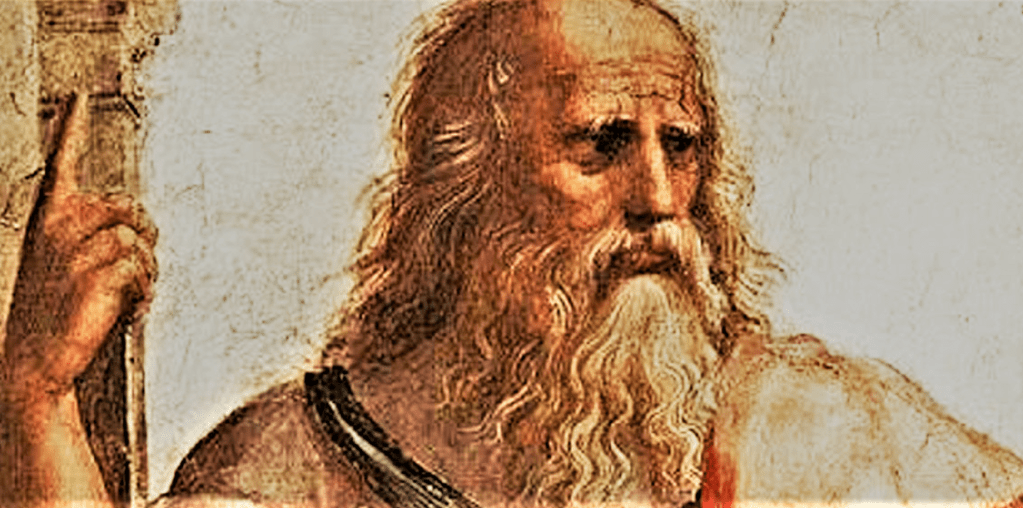
In the annals of human civilization, few institutions have left an indelible mark on the pursuit of knowledge and the development of philosophical thought quite like Plato’s Academy. Established by Plato in 387 BCE, this iconic educational institution in Athens became the epicentre of intellectual discourse, nurturing some of the greatest minds of the ancient… Continue reading
-
Benedict Anderson, nations and imagined communities
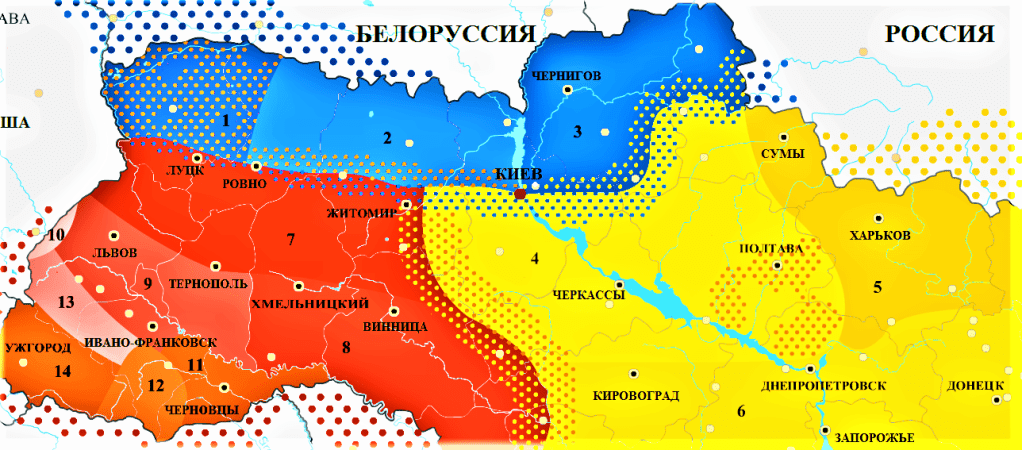
National identity has been a topic of profound interest and debate, often raising questions about its essence and existence. Benedict Anderson, a renowned political scientist and historian, contributed significantly to our understanding of nationalism and the construction of national identities. National identity can be defined as a sense of belonging and shared consciousness that binds… Continue reading
-
The Decline of Arab Civilization
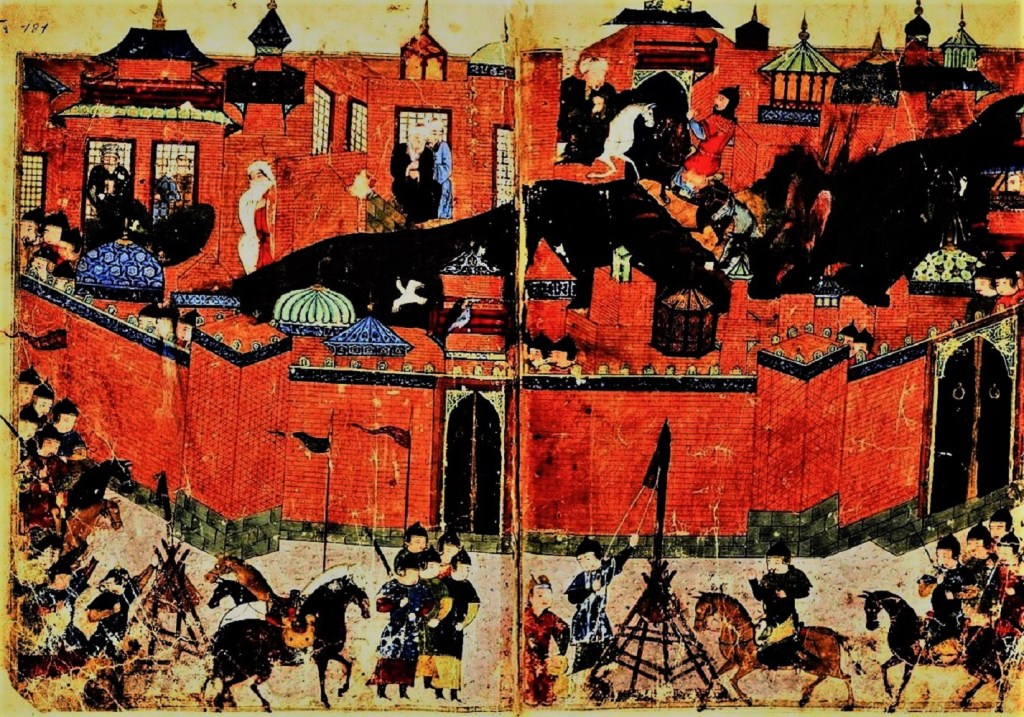
The Arab civilization, with its rich history and contributions to various fields of knowledge, has witnessed both periods of remarkable prosperity and enduring decline. For centuries, Arab scholars, artists, and thinkers played pivotal roles in shaping the global intellectual landscape, from advancements in mathematics and astronomy to poetry and architecture. However, the Arab world, once… Continue reading
-
The Soviet economy before Perestroika

The Soviet Union under the leadership of Leonid Brezhnev experienced a period of economic stagnation during the 1970s and early 1980s. During the Brezhnev era, the Soviet economy faced significant challenges, including a lack of innovation, inefficiencies in production, and a centrally planned economic system. As a result, average salaries in the Soviet Union were… Continue reading
-
Constructive ambiguity
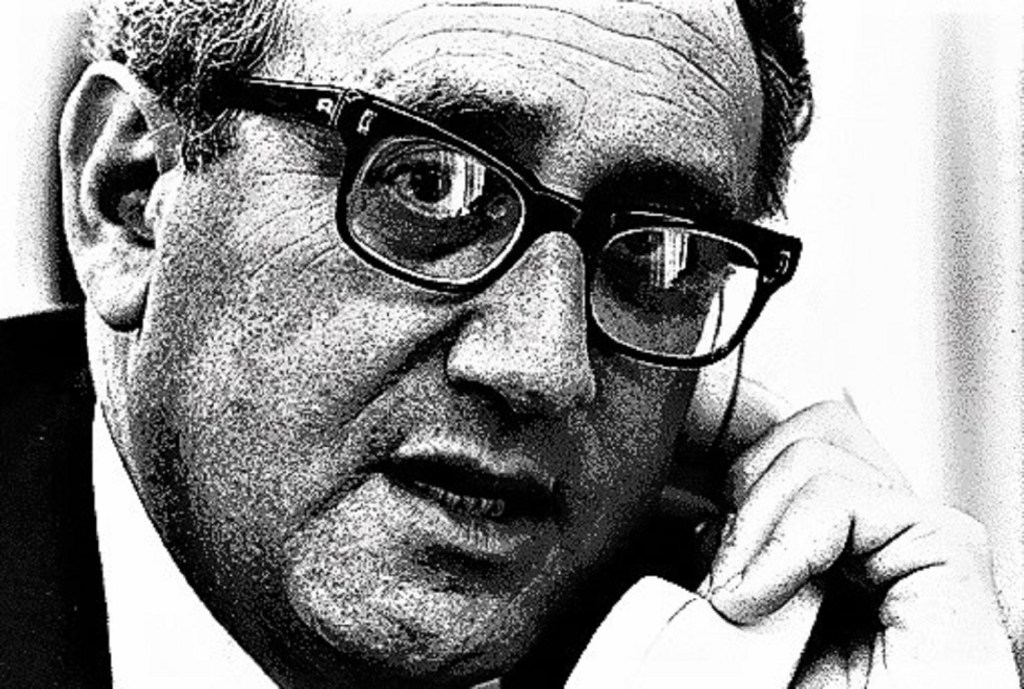
Constructive ambiguity is an approach that acknowledges and embraces the grey areas, recognizing that sometimes ambiguity can be a powerful tool for fostering creativity, negotiation, and cooperation. Henry Kissinger, the former United States Secretary of State, is widely associated with the concept of constructive ambiguity and is considered one of its foremost proponents. His diplomatic… Continue reading
-
Ukrainian Crimea between 1991 and 2014

The history of Crimea between 1991 and 2014 is a tale of political, cultural, and territorial struggles, as the region found itself at the centre of geopolitical tensions. This period witnessed the collapse of the Soviet Union, the emergence of independent Ukraine, and the subsequent disputes over the status of Crimea. From its initial declaration… Continue reading
-
The decline of Italy
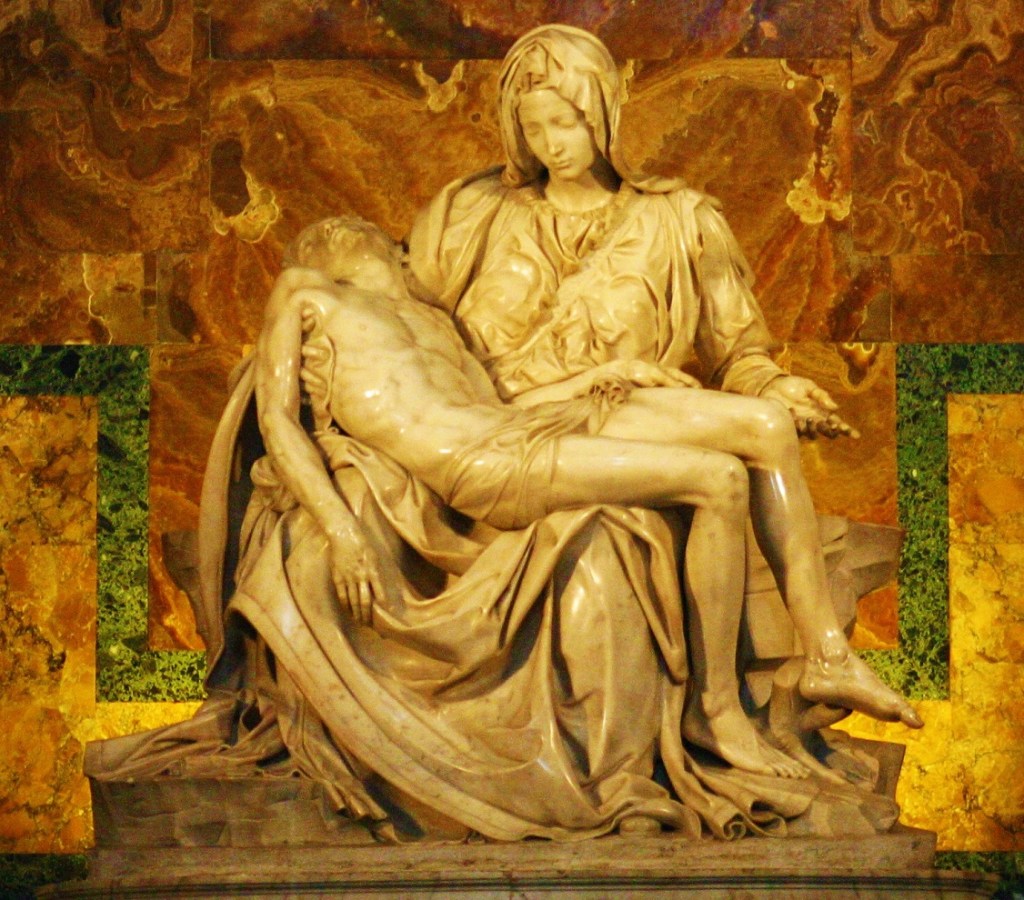
The Renaissance was a period of great cultural and artistic achievement in Italy, spanning from the 14th to the 17th century. However, in the centuries following the Renaissance, Italy experienced a decline in political power, economic prosperity, and cultural influence. The decline of Italy can be traced back to the end of the Renaissance period… Continue reading
-
The decline of the Ottoman Empire
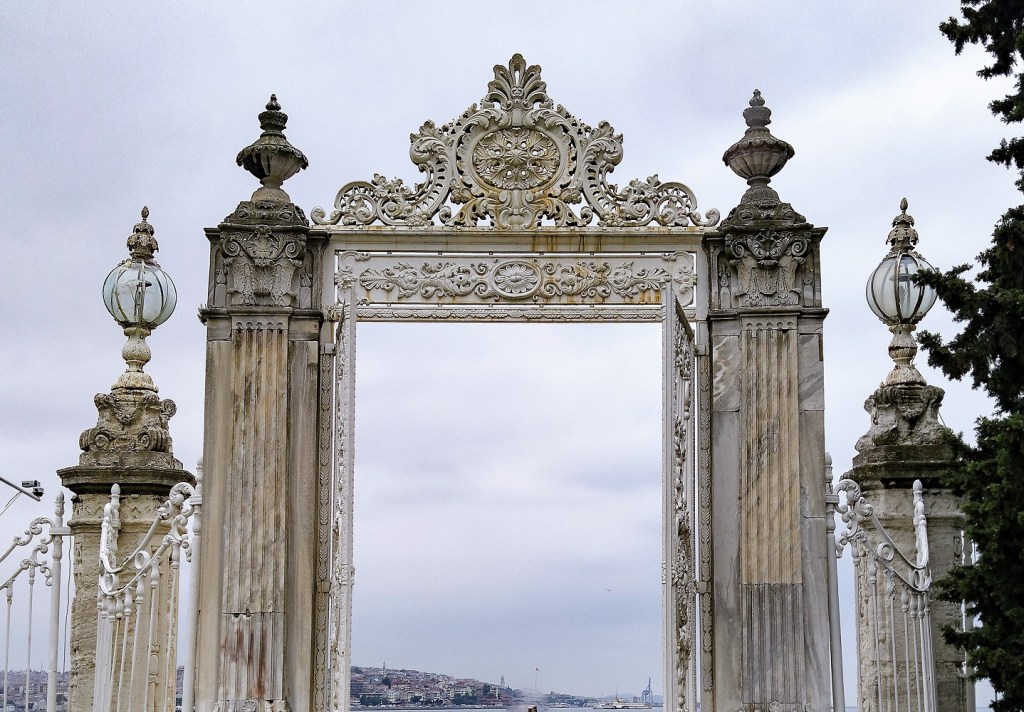
The Ottoman Empire was one of the longest-lasting empires in world history, spanning over six centuries and three continents. However, by the nineteenth century, the once mighty empire was in a state of decline, earning the moniker “the sick man of Europe.” This decline was caused by a combination of internal factors such as corruption,… Continue reading
-
The Algerian War

The French war in Algeria, which lasted from 1954 to 1962, was a significant event in both French and Algerian history. It marked the end of French colonialism in North Africa and the beginning of a new era in Algerian independence. The war also had significant effects on the French political landscape and its status… Continue reading
-
How the West dealt with a vanquished Germany
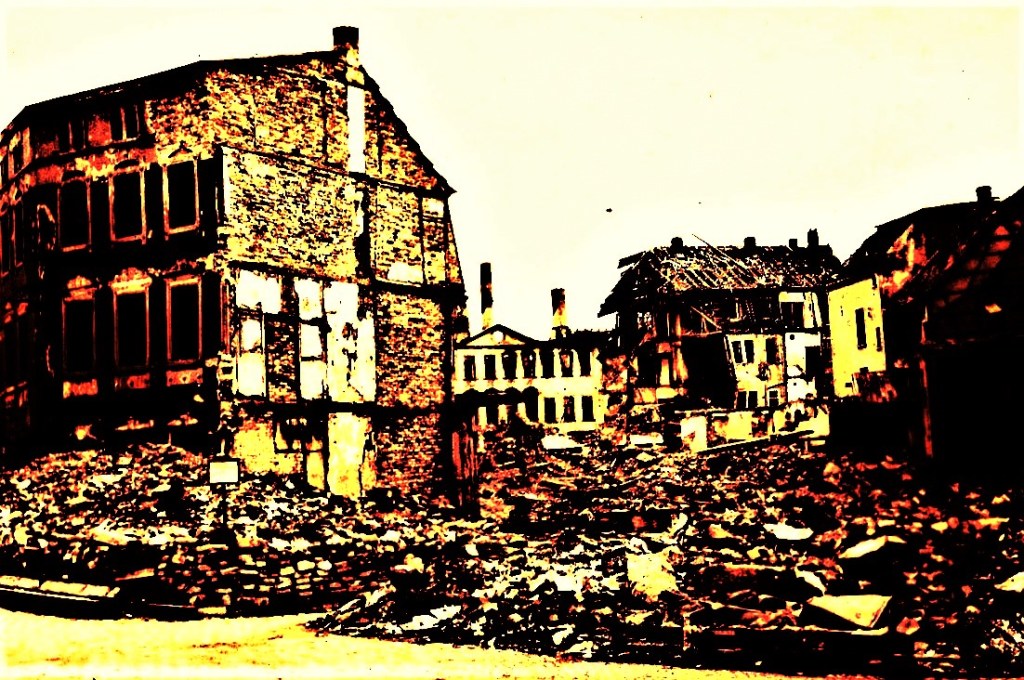
The end of World War II marked a turning point in the history of Europe, and especially in the history of Germany. With the defeat of Nazi Germany, the Allies faced the question of how to deal with the defeated nation. The policies they adopted towards Germany in the aftermath of the war were shaped… Continue reading
-
The decline of Ancient Greece
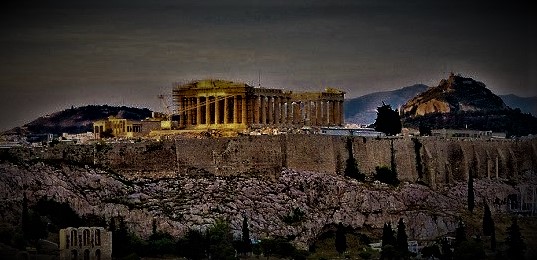
The ancient Greek civilization is widely recognized as one of the most significant and influential civilizations in human history. During its prime, ancient Greece produced a rich cultural and intellectual legacy that continues to influence Western culture to this day. However, despite its many accomplishments, ancient Greece eventually experienced a period of decline that would… Continue reading
-
The Ottoman heritage: a history of Turkey
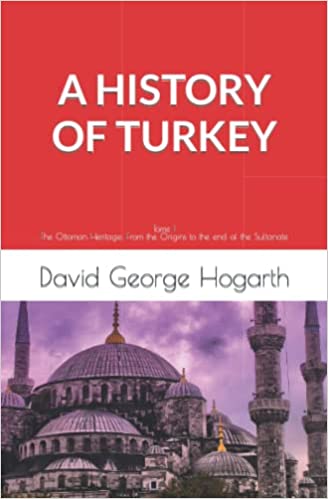
The Ottoman Empire, also known as the Sublime Porte, was one of the most significant empires in world history. It spanned three continents and lasted for over six centuries, from its establishment in 1299 to its eventual collapse in 1922. At its height, the Ottoman Empire was a superpower that dominated the Middle East and… Continue reading
-
Indian philosophy and ancient Greece
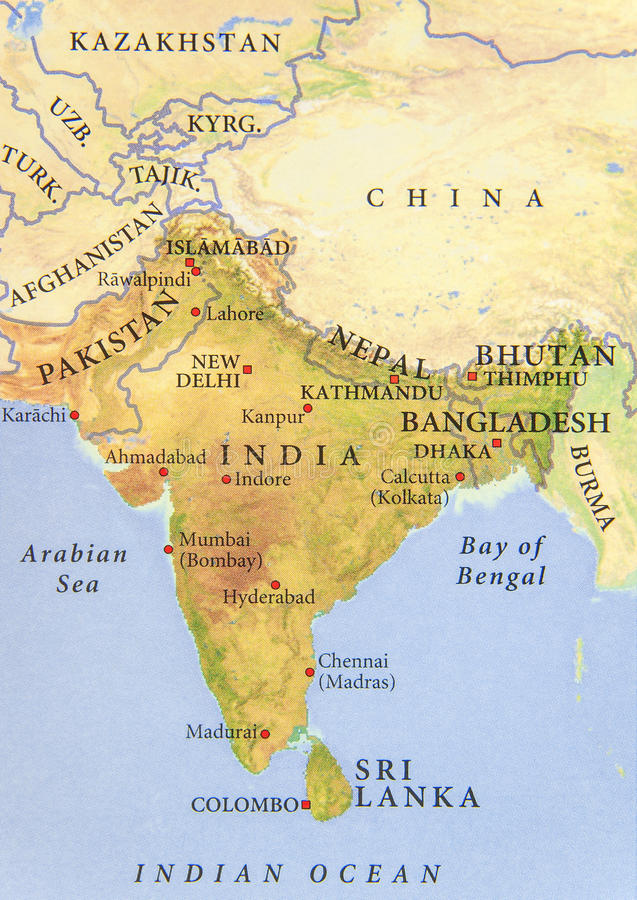
Indian philosophy and ancient Greek philosophy are two of the most influential philosophical traditions in the world. While they may have evolved independently of each other, they share some commonalities in their ideas and concepts. In this essay, we will explore the relationship between Indian philosophy and ancient Greek philosophy and how they have influenced… Continue reading
 EAST AND WEST