Languages
-
Danish and Norwegian languages – Dansk i Norsk
The Danish and Norwegian languages, two of the North Germanic languages, share a rich linguistic heritage that traces its roots back to Old Norse. However, over the centuries, these languages have evolved in unique ways, leading to significant differences in pronunciation, vocabulary, and grammar. In this article, we will explore the fascinating distinctions between Danish… Continue reading
-
English as the Language of Imperialism
The role of language in shaping societies and cultures is undeniable, and its connections to imperialism are often intricate and complex. Throughout history, language has been wielded as a tool of dominance and control, with various imperial powers using it to facilitate their agendas. One of the most prominent examples of this phenomenon is the… Continue reading
-
Tajik phrasebook
Here are 30 simple phrases in Tajik with their English translations: Салом! (Salom!) – Hello!Рӯзи хуб! (Rūzi khub!) – Good day!Хубам интихоб кардаам. (Khubam intikhob kardam.) – I’m fine, thank you.Шумо хеле хубӣ ҳастед? (Shumo khēlē khubī hastēd?) – How are you?Биоёи ман Мария аст. (Bioyoi man Mariya ast.) – My name is Maria.Шумо номи… Continue reading
-
Uzbek phrasebook
Here are 30 simple phrases in Uzbek along with their translations: Salom! – Hello!Xayr! – Goodbye!Rahmat! – Thank you!Kechirasiz. – Sorry.Iltimos. – Please.Ha. – Yes.Yo’q. – No.Nima deb yaxshi? – How are you?Men yaxshi. – I’m fine.Ismingiz nima? – What’s your name?Mening ismim [Ism]. – My name is [Name].Qayerdasiz? – Where are you from?Men [Joy]danman.… Continue reading
-
The Finnish and Estonian languages
Finnish and Estonian are both members of the Finno-Ugric language family. This linguistic affiliation traces its roots back to a shared ancestral language, offering a foundation of common elements that underlie both languages. Phonological Resemblance:Phonetically, Finnish and Estonian exhibit remarkable parallels. For example, the vowel systems of both languages share several sounds, such as /a/,… Continue reading
-
The decline of the Latin language
For centuries, Latin stood as the language of scholars, intellectuals, and educated individuals across the Western world. From the time of the Roman Empire to the height of the Renaissance, Latin served as the lingua franca of academia, science, theology, and diplomacy. However, as the world underwent significant socio-cultural, political, and technological transformations, the prominence… Continue reading
-
Romanian and Moldovan
The history of languages is a captivating journey that unveils the cultural, historical, and geographical threads that shape human communication. Romanian and Moldovan, two closely related languages, have undergone a fascinating evolution. Rooted in the Latin language and heavily influenced by historical events and neighboring languages, they have developed unique identities despite their shared heritage.… Continue reading
-
Res Fatis Linguae Latinae
Per aetates, linguae inter gentes iuncturae et communicationem inter diversas nationes hominumque stirpes fecerunt. Una ex his linguis quae tamquam signum ingenii et intercursus interculturarum exstitit erat Lingua Latina. Ab splendore Imperii Romani ad apices Renascentiae, Latina dominabatur ut lingua scholarum, intelligentium et elitum doctae. Sed dum mundus mutationes magnas socio-culturalis, politicas, technologicasque pateretur, Latinae… Continue reading
-
Ancient Greek phrasebook
Greetings and Basic Expressions Hello – Χαίρε (Khaíre)Goodbye – Ἔρρωσο (Érrhōso) / Ἀπαίρε (Apáire)Good morning – Καλήν ἀντίφορν (Kalḗn antíphorn)Good evening – Καλόν ἑσπέρας (Kalón hespéras)Goodbye – Ἔρρωσο (Érrhōso) or Ἀπαίρε (Apáire)Good night – Καλὴν νύκτα (Kalḕn nýkta)How are you? – Τί ἔχεις; (Tí ékheis?)I am fine, thank you – Εὖ ἔχω, ἐυχαριστῶ (Eû ékhō,… Continue reading
-
The language of the Gospels
The four Gospels, namely Matthew, Mark, Luke, and John, are essential religious texts that form the cornerstone of Christianity. These narratives provide invaluable insights into the life, teachings, death, and resurrection of Jesus Christ. Written in Greek, the language of the New Testament, the Gospels offer a unique linguistic perspective known as Koine Greek. The… Continue reading
-
Lithuanian and Sanskrit
Among the thousands of languages spoken worldwide, some are bound together by deep-rooted linguistic relationships. One such intriguing bond exists between the Lithuanian language and Sanskrit. Despite the vast geographical and chronological distances separating these two languages, linguists and scholars have discovered compelling evidence suggesting that Lithuanian is the closest living relative of Sanskrit in… Continue reading
-
Ancient Greek and Modern Greek
The Greek language holds a special place in the annals of linguistic history, given its remarkable continuity over millennia. From the era of Ancient Greece to the present day, the Greek language has undergone significant transformations, resulting in Modern Greek, the language spoken by millions of people today. Ancient Greek, commonly referred to as Classical… Continue reading
-
The Turkish Language
The history of the Turkish language spans several millennia and is intricately intertwined with the rich cultural and historical tapestry of the Turkic peoples. From its origins in Central Asia to its present status as one of the major languages of the world, the Turkish language has undergone numerous transformations and has left an indelible… Continue reading
-
Turkish, Uzbek and Kazakh languages
Languages play a crucial role in defining a nation’s cultural identity and heritage. The Turkish, Uzbek, and Kazakh languages belong to the Turkic language family, which spans across Central Asia and the Middle East. The historical development of the Turkish, Uzbek, and Kazakh languages can be traced back to the Turkic migration and expansion across… Continue reading
-
The Tatar Language
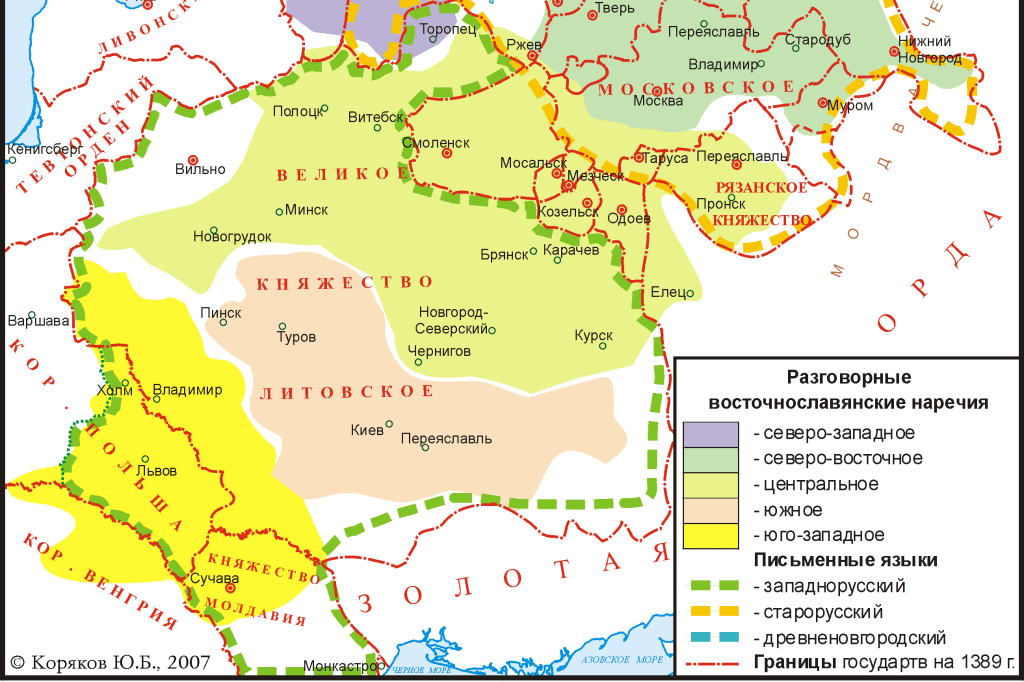
The Tatar language, also known as Tataric or Tatar-Bashkir, is a Turkic language spoken by the Tatar people, who are predominantly located in the Republic of Tatarstan and other regions of Russia. The history of the Tatar language in Russia spans several centuries and is closely intertwined with the social, political, and cultural developments of… Continue reading
-
نصائح حول كيفية دراسة اللغات الأجنبية

تمت ترجمة هذا المقال تلقائيًا. يرجى الاعتذار لنا عن الاخطاء في النص. هناك عدد قليل من الملذات الفكرية المشابهة لإيجاد نفسك تقرأ بلغة أجنبية وتدرك أنك تفهم أكثر بكثير مما كنت تتوقع. ومع ذلك ، فإن اللغات الأجنبية تحتاج إلى قدر ثابت من الجهد ، وهو جهد لا يرغب معظم الأشخاص في سن البلوغ في… Continue reading
-
The strangest country names in foreign languages

As much as I try, I can never correctly recall the Chinese name for China when I am trying to impress people: it sounds something like Jong-Guò and Continue reading
-
Getting lost on holiday in Bulgaria: Bulgarian-Russian false friends

Actually the Bulgarian language should not pose too many problems to those who already master Russian. In a way, it looks like a simplified version of Russian Continue reading
-
Byron in Armenia – or why learning a foreign language does not have to mean being a language nerd

I remember I used to be very impressed when people told me they learned Hebrew or Chinese. I thought if they learned something so difficult and “unusual” Continue reading
