Politics
-
Westernization
The phenomenon of Westernization, often referred to as globalization or Western influence, is a pervasive trend that has been shaping the world for centuries. Rooted in the expansion of Western culture, values, and economic systems, Westernization has gradually spread across the globe, leaving an indelible mark on the way societies function, communicate, and interact. While… Continue reading
-
“Liberal democracy” is neither liberal nor democratic
Liberal democracy is a widely celebrated political system that combines the principles of liberalism and democracy. It has become the dominant model in many Western countries, promoting individual rights, the rule of law, and representative government. However, upon closer examination, it becomes clear that liberal democracy is neither truly liberal nor particularly democratic in practice.… Continue reading
-
The end of Fukuyama
In 1989, Francis Fukuyama presented his controversial thesis of the “end of history”, arguing that the worldwide triumph of liberal democracy and capitalism marked the ultimate destination of human ideological evolution. According to Fukuyama, the collapse of communism and the subsequent dominance of liberal democracy signaled the end of humanity’s ideological struggle, leaving no room… Continue reading
-
Can France liberate Europe?
In recent years, discussions surrounding Europe’s relationship with NATO and its dependency on the United States have gained momentum. One country that has emerged as a potential catalyst for change is France. With its historical commitment to sovereignty, independent foreign policy, and strong military capabilities, France stands as a unique and powerful force capable of… Continue reading
-
India and Pakistan
The India-Pakistan conflict is a long-standing dispute between two neighboring nations in South Asia, rooted in a complex history of political, religious, and territorial divisions. The conflict has had a profound impact on the region, leading to multiple wars, border disputes, and ongoing tensions. The roots of the India-Pakistan conflict can be traced back to… Continue reading
-
Fake liberals and the working class
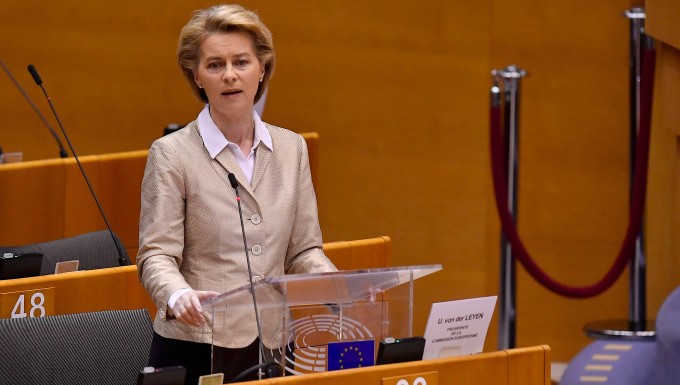
In today’s polarized political climate, there is a prevailing narrative that liberals champion inclusivity, tolerance, and progressiveness. However, beneath the veneer of liberalism, despite claiming to champion the working class, so called liberals often exhibit a remarkable disconnect from their struggles and an elitist disdain for their way of life. These fake liberal elitists present… Continue reading
-
The end of democracy
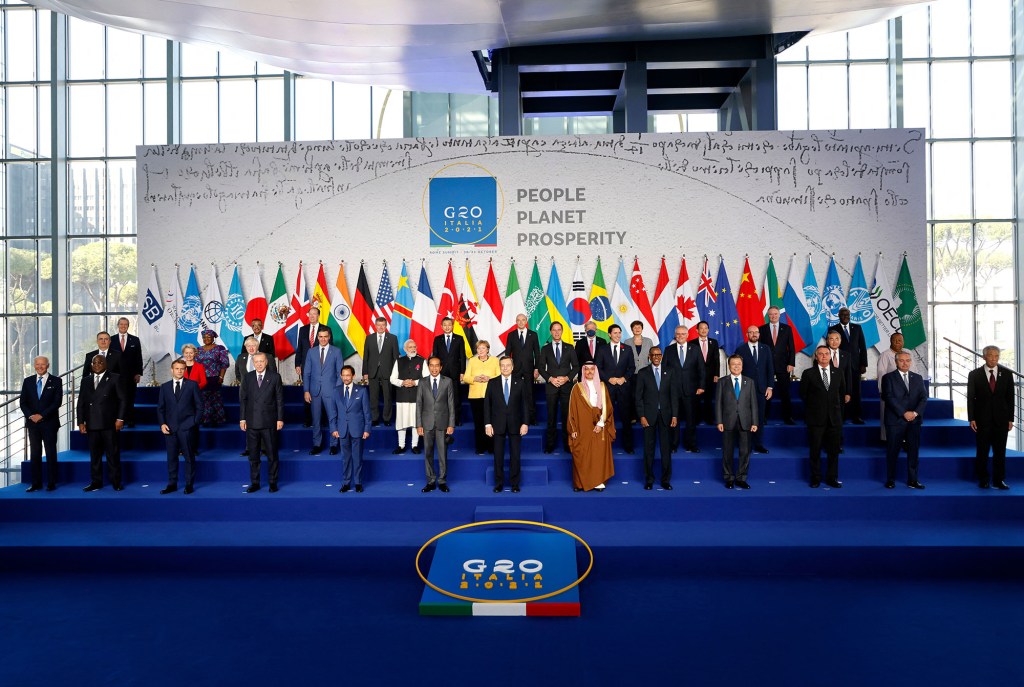
Democracy, the cherished system of governance by the people, is facing unprecedented challenges in the modern world. The term “populism” has emerged as a pejorative label, used to undermine democratic movements that challenge the status quo. The belief that experts should govern society, has gained prominence as complex challenges and interconnected issues require specialized knowledge.… Continue reading
-
The deep state
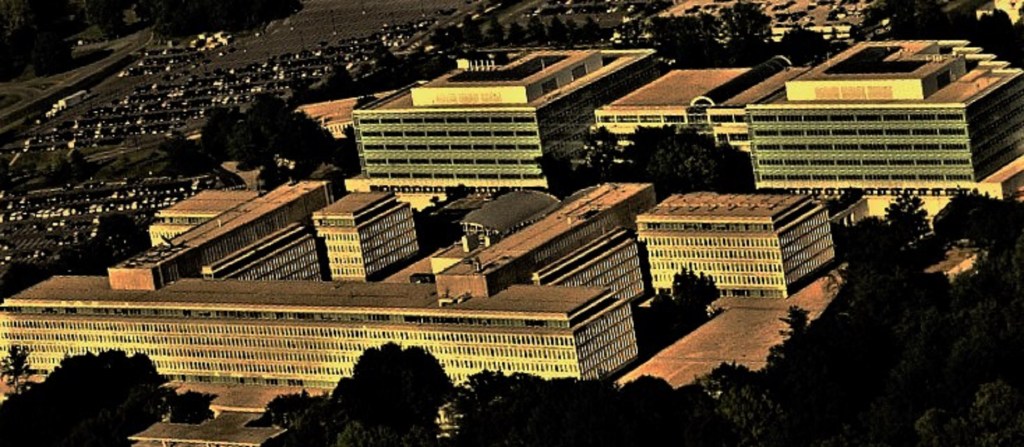
The term “deep state” has gained significant attention in recent years, often surrounded by conspiracy theories and political rhetoric. However, it is crucial to recognize that the deep state is not solely a product of these narratives but also an academic concept that has been explored in political science and related disciplines. Defining the Deep… Continue reading
-
Heidegger, Sartre, and Existentialism
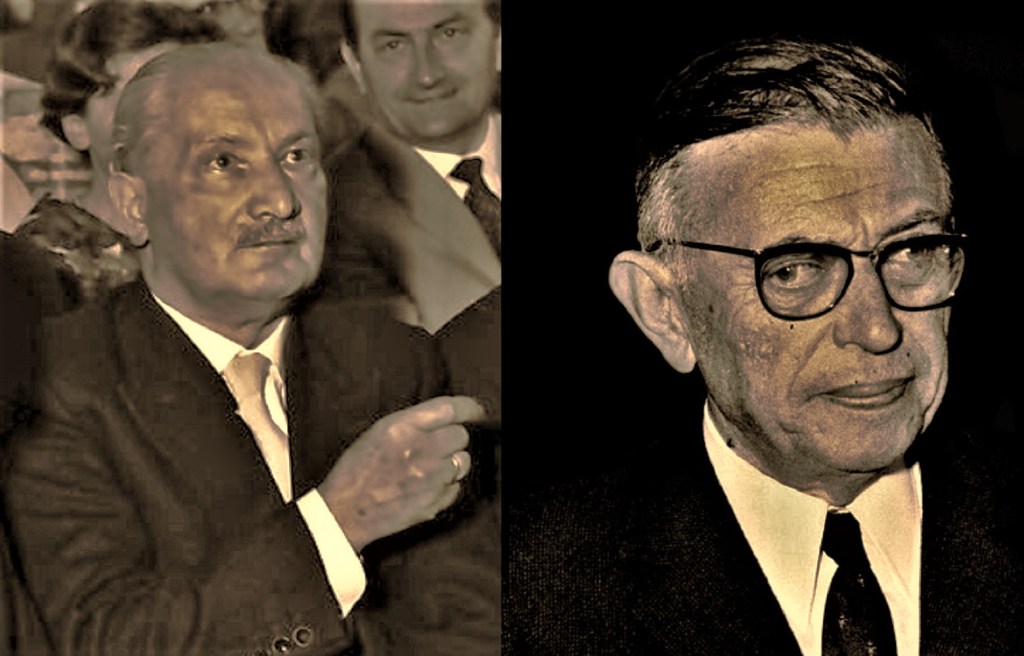
Existentialism, a philosophical movement that emerged in the 20th century, brought forth new perspectives on human existence, freedom, and the search for meaning. Two prominent figures within this movement were Martin Heidegger and Jean-Paul Sartre. While their contributions to existentialism were significant, their political affiliations during tumultuous times sparked controversy and debate. Heidegger’s controversial association… Continue reading
-
Constructive ambiguity
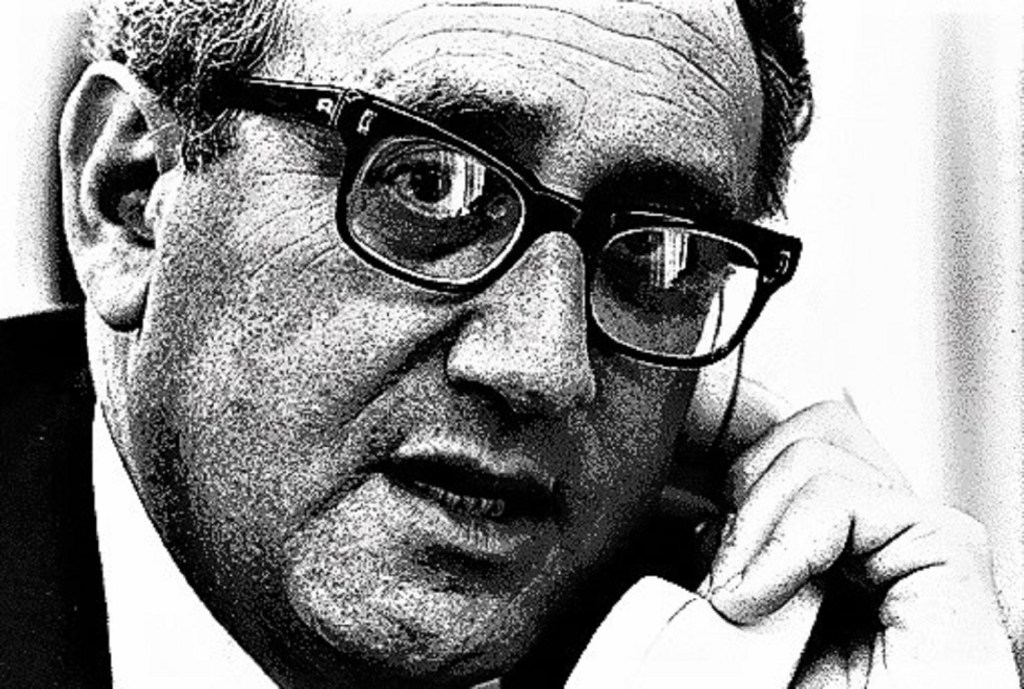
Constructive ambiguity is an approach that acknowledges and embraces the grey areas, recognizing that sometimes ambiguity can be a powerful tool for fostering creativity, negotiation, and cooperation. Henry Kissinger, the former United States Secretary of State, is widely associated with the concept of constructive ambiguity and is considered one of its foremost proponents. His diplomatic… Continue reading
-
Democracy is a threat to global peace and stability
Democracy, heralded as a cornerstone of modern governance, has long been regarded as a bedrock principle for ensuring freedom, equality, and justice. However, beneath its appealing façade, democracy harbours inherent dangers that can undermine global stability and peace. One of the fundamental flaws of democracy lies in its assumption that the masses possess the necessary… Continue reading
-
Identity politics is a terrible idea
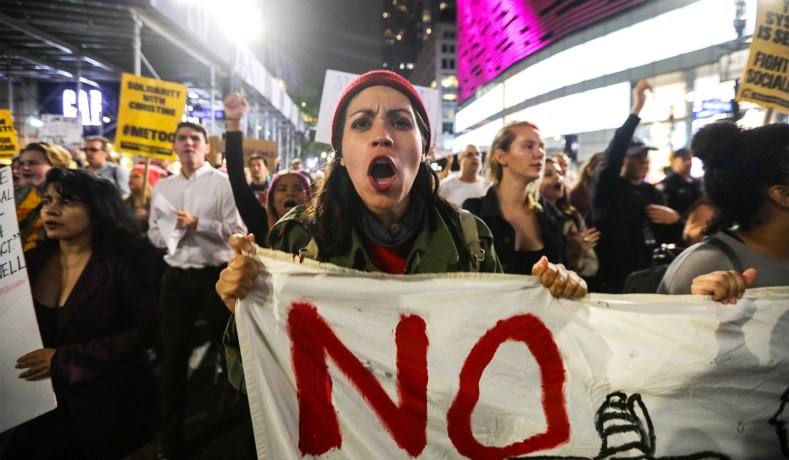
Identity politics is the practice of organizing political or social movements around shared characteristics such as race, ethnicity, gender, sexual orientation, religion, or nationality. While the idea of seeking representation for marginalized groups is well-intentioned, the implementation of identity politics has become problematic, leading to divisiveness and an erasure of individuality. The rise of identity… Continue reading
-
What is Cultural Marxism?
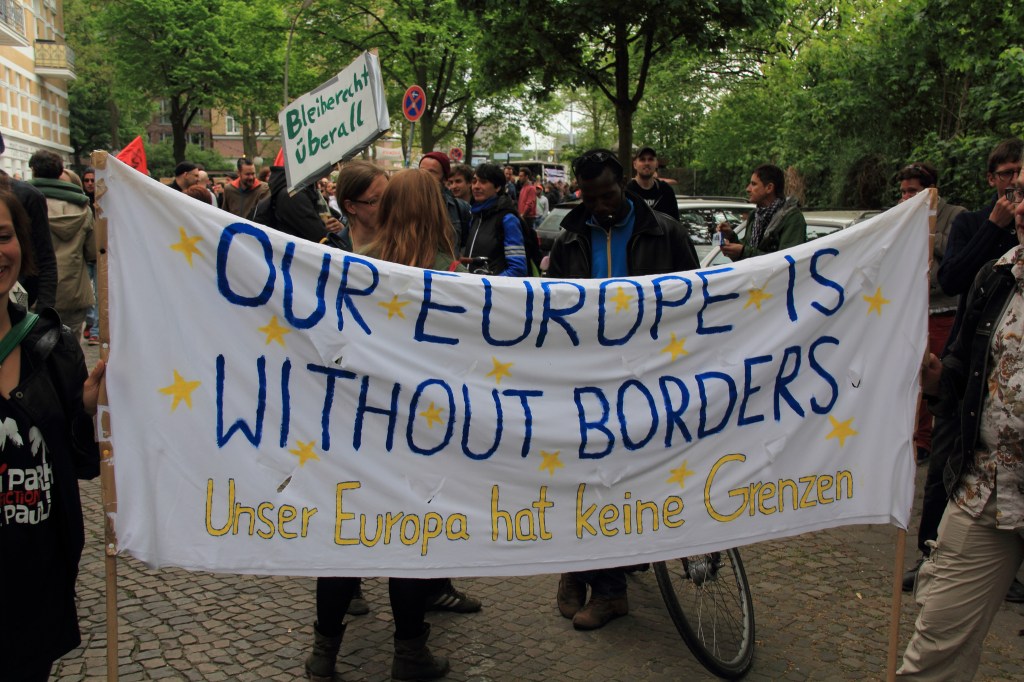
Cultural Marxism is a widely debated concept that refers to a set of Marxist ideas that have been applied to cultural and social issues. While some argue that Cultural Marxism is a legitimate academic field, others see it as a dangerous ideology that seeks to undermine traditional values and institutions. The roots of Cultural Marxism… Continue reading
-
Relations between India and China
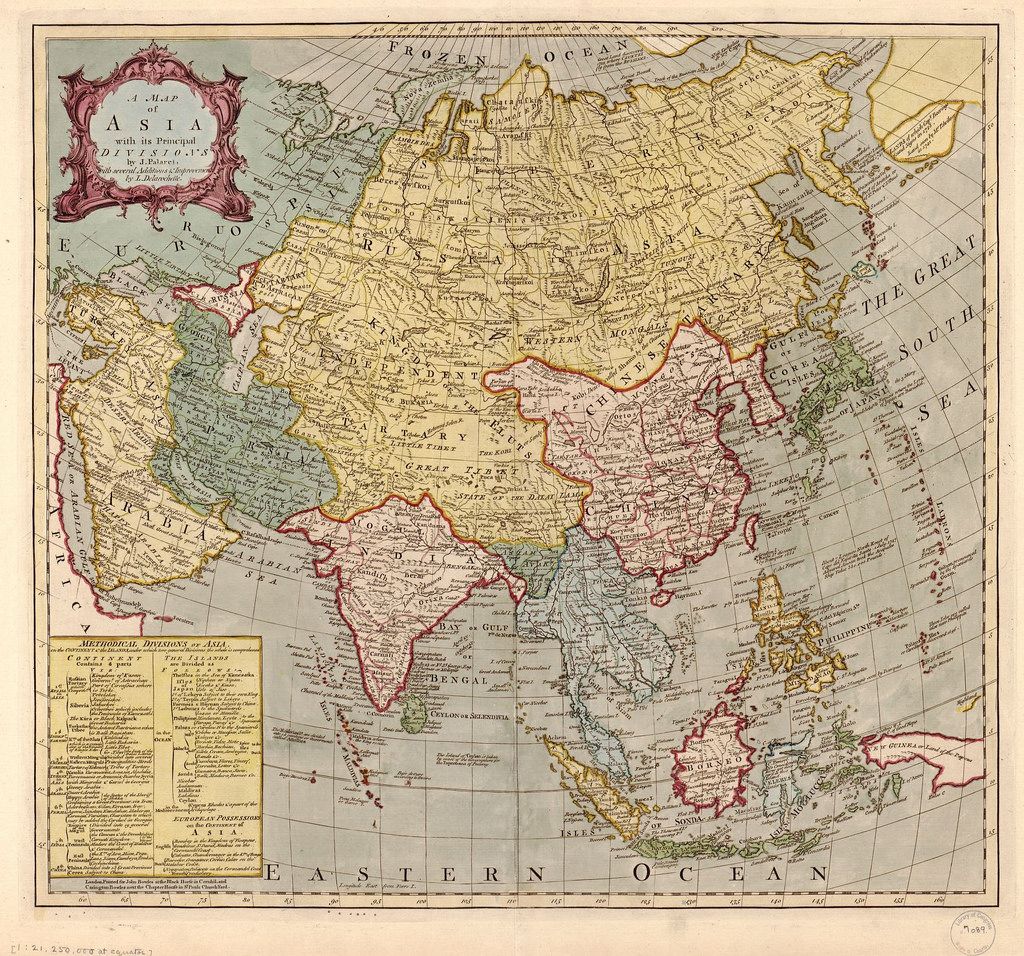
India and China are two of the world’s most populous and influential countries, and their relationship has been marked by both cooperation and conflict over the years. India and China share a long history of cultural and economic exchange, but their modern relationship has been shaped by territorial disputes, geopolitical rivalries, and economic competition. Historical… Continue reading
-
The end of the “End of history”
Fukuyama’s “end of history” theory, proposed in his influential 1989 essay “The End of History?” and later expanded upon in his book “The End of History and the Last Man,” has been a subject of much debate and critique since its inception. While Fukuyama argued that the end of the Cold War and the triumph… Continue reading
-
The Thucydides Trap
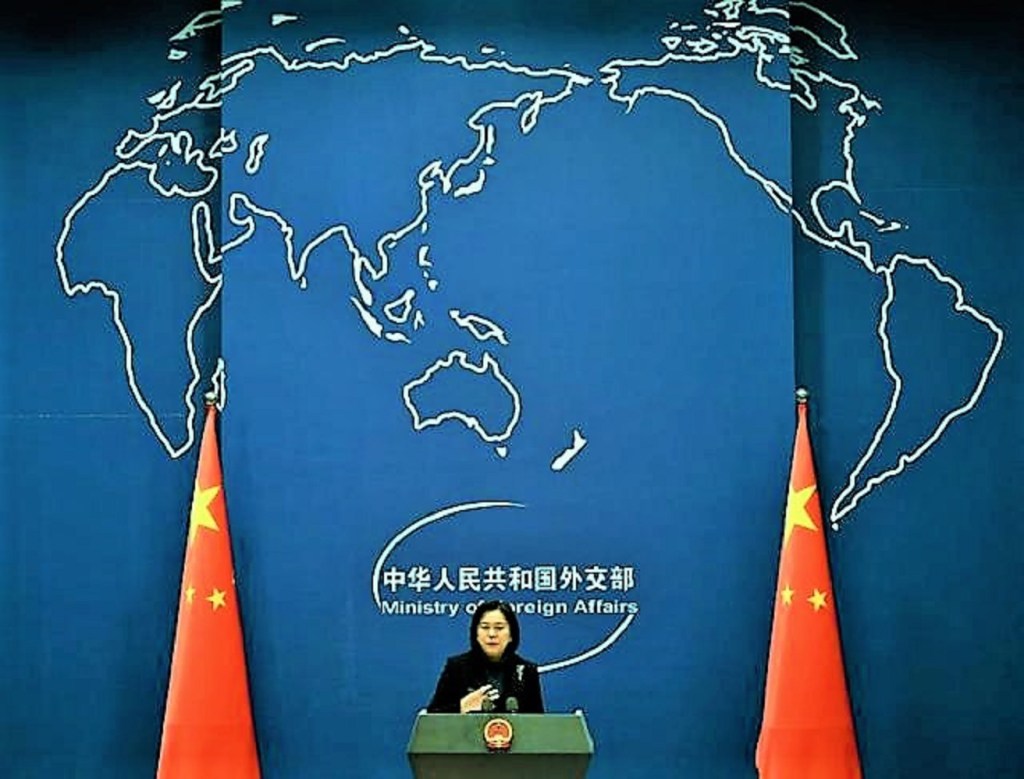
The Thucydides Trap refers to the concept that when a rising power challenges a dominant power, the result is often war. This theory is named after the ancient Greek historian Thucydides, who wrote about the Peloponnesian War, a conflict between the city-state of Athens and Sparta in the 5th century BCE. Thucydides famously said, “It… Continue reading
-
There is no alternative to liberalism
Liberalism is a political philosophy that emphasizes individual freedom and equality, the rule of law, and limited government intervention in the economy. It is an ideology that has been around for centuries, and it has been the dominant political philosophy in Western democracies since the 19th century. While there are many criticisms of liberalism, there… Continue reading
-
Ukraine-Turkey relations
The relationship between Ukraine and Turkey has seen significant developments in recent years. The two countries have established strong economic ties, increased diplomatic cooperation, and have become increasingly important strategic partners in the Black Sea region. In this essay, we will examine the current state of relations between Ukraine and Turkey and explore the factors… Continue reading
-
Russia may have pulled the trigger, but was she forced to? – part I
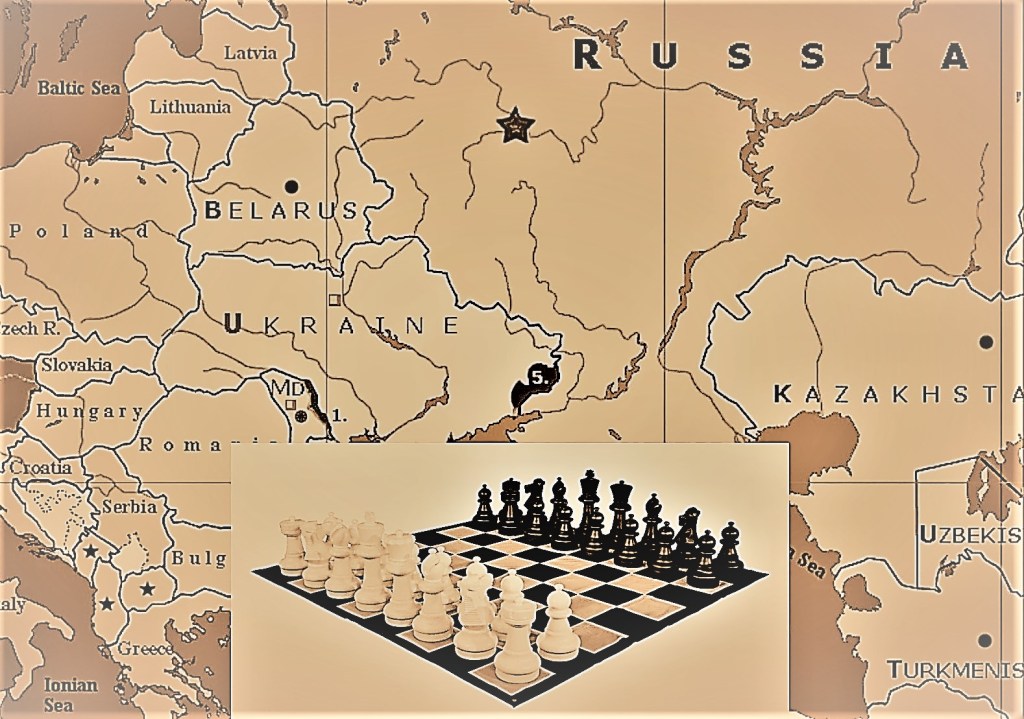
A realist’s view on the Russo-Ukrainian war – part I The current conflict in Ukraine is often defined in the West as Putin’s war. The journalists and representatives of the state who find their mouthpieces among the corporate and state-run media go into long diatribes analysing the psychology of Putin, citing isolation due to Covid,… Continue reading
-
“But we live in a democracy!” – Nachdenkseiten
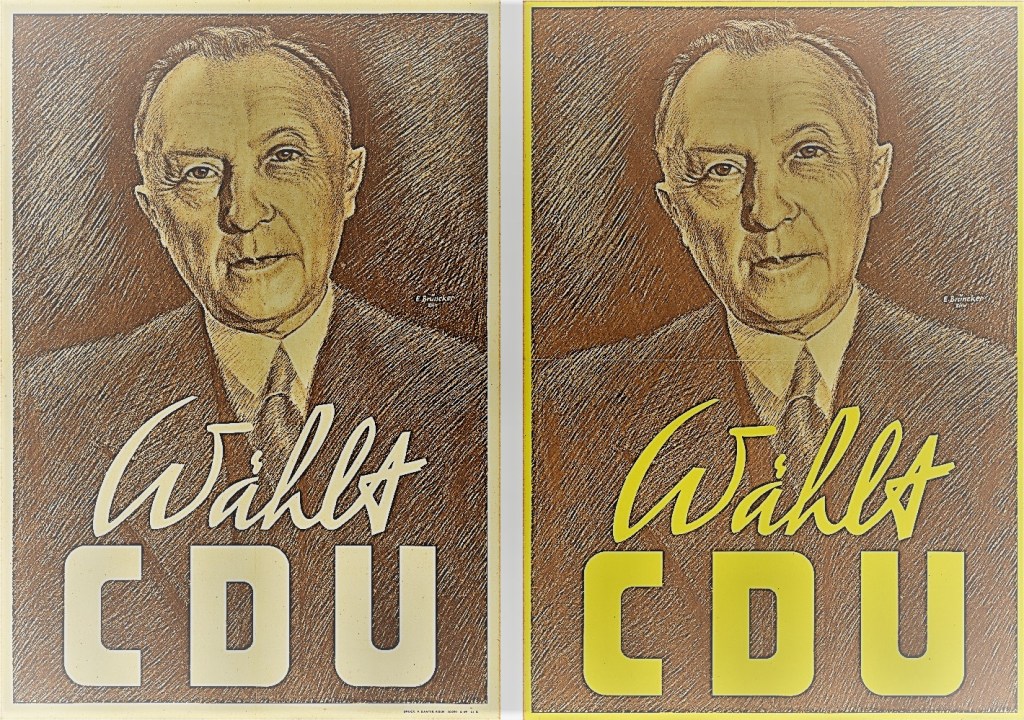
This article was originally published on Nachdenkseiten. That’s one of the standard phrases of Western self-portrayal. And anyone who denies that our political way of life really meets the necessary criteria of democracy is looked at with big eyes. The opportunity for political change would be such a criterion. Anyone who consciously experienced the first… Continue reading
 EAST AND WEST