-
What is Cultural Marxism?
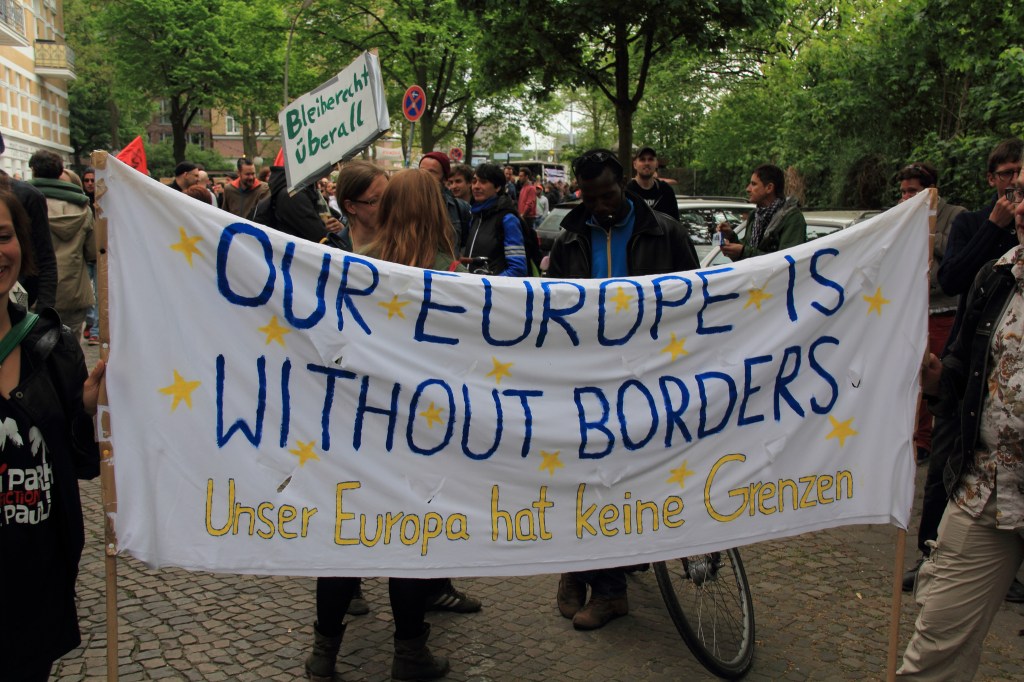
Cultural Marxism is a widely debated concept that refers to a set of Marxist ideas that have been applied to cultural and social issues. While some argue that Cultural Marxism is a legitimate academic field, others see it as a dangerous ideology that seeks to undermine traditional values and institutions. The roots of Cultural Marxism… Continue reading
-
Is Western philosophy dead?
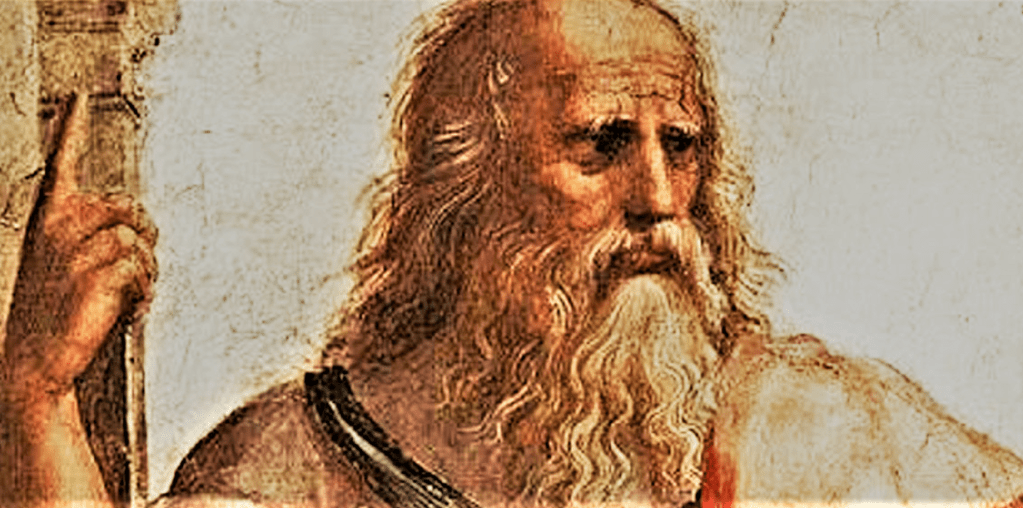
The question of whether Western philosophy is dead is a complex and multifaceted one. On the one hand, there are those who argue that Western philosophy has become too narrow and specialized, detached from the concerns of everyday life and overly concerned with abstract theoretical concepts. On the other hand, there are those who believe… Continue reading
-
Is the media biased towards the establishment?
The question of whether mainstream media is biased towards the establishment is a complex and controversial one. While some argue that the media is biased in favor of the political and economic elite, others maintain that the media is impartial and objective in its coverage. In this article, we will explore the arguments on both… Continue reading
-
Phenomenology of the contemporary western intellectual
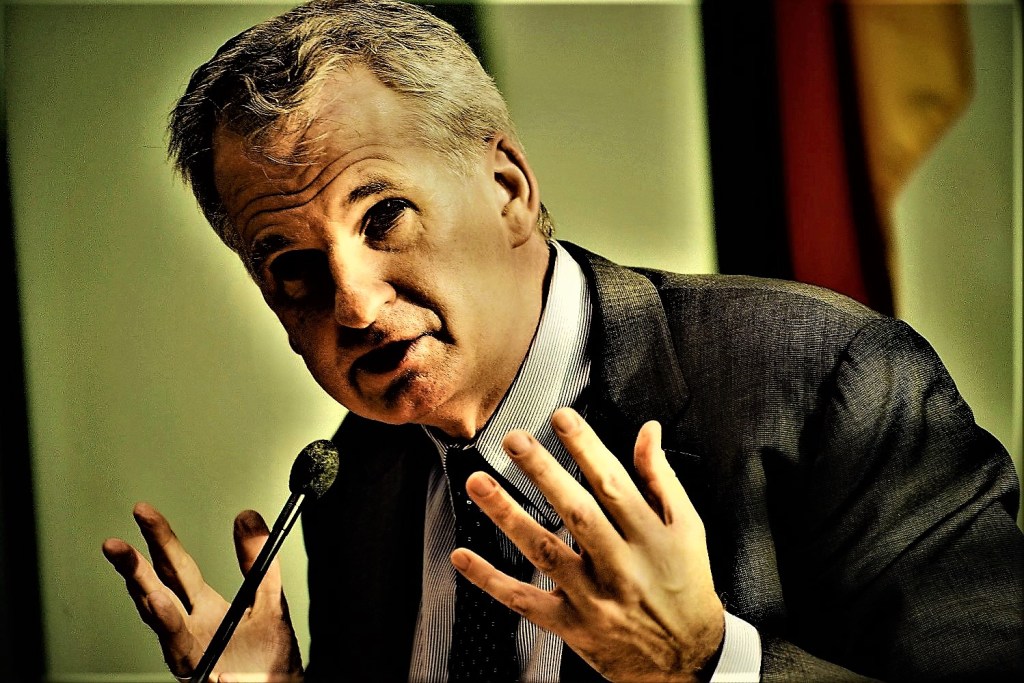
Let’s start by making a clarification: it is obvious that every intellectual is different and unique in his own way and it would be unfair to say that intellectuals are all the same. But at the same time we can identify common characteristics that allow us to formulate a hypothesis of sociology of today’s Western… Continue reading
-
Relations between India and China
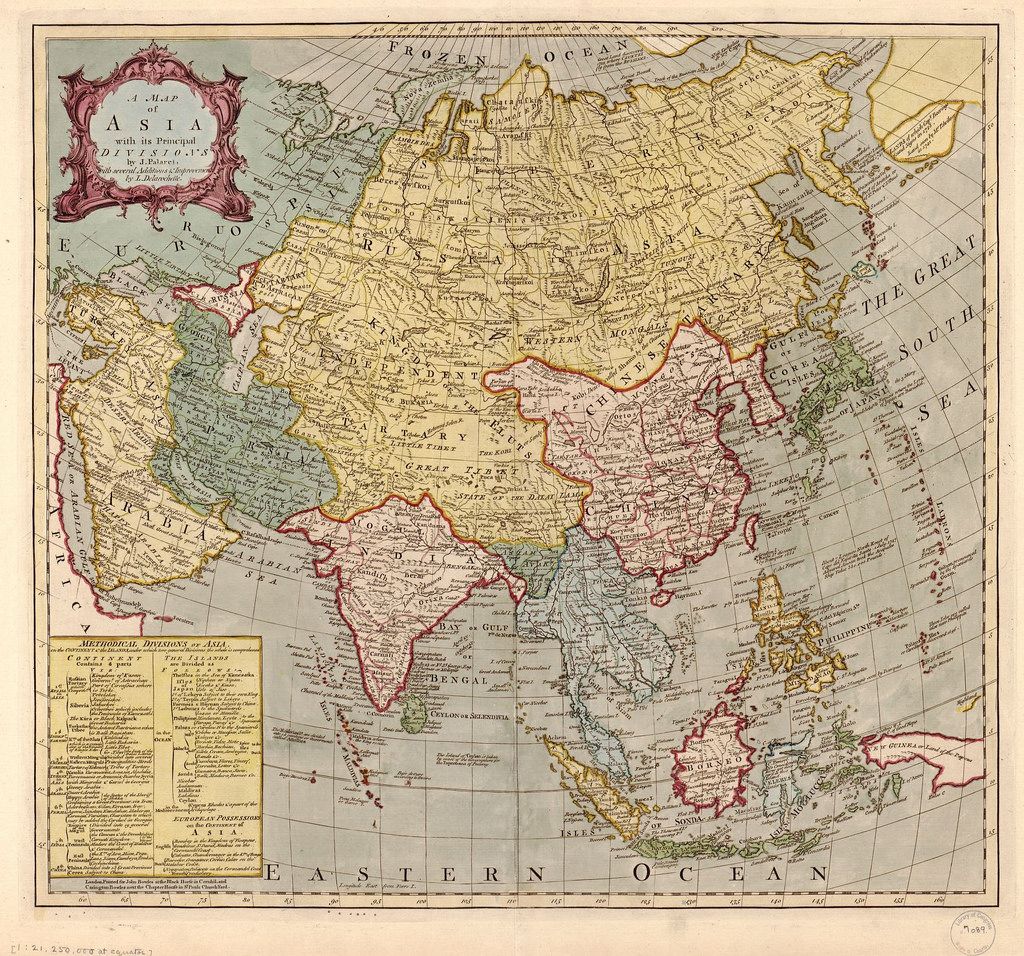
India and China are two of the world’s most populous and influential countries, and their relationship has been marked by both cooperation and conflict over the years. India and China share a long history of cultural and economic exchange, but their modern relationship has been shaped by territorial disputes, geopolitical rivalries, and economic competition. Historical… Continue reading
-
The West has been too compliant towards Putin, says Italian CFR stooge
In an article that appeared yesterday in Corriere della Sera, Federico Rampini, one of the real members of the Italian journalism aristocracy, summarizes the lessons that the West has drawn from the Russian invasion of Ukraine one year after its inception. The illustrious Corriere journalist, who has lived in the United States for years, as… Continue reading
-
China’s Military: An Overview of Capabilities, Goals, and Challenges
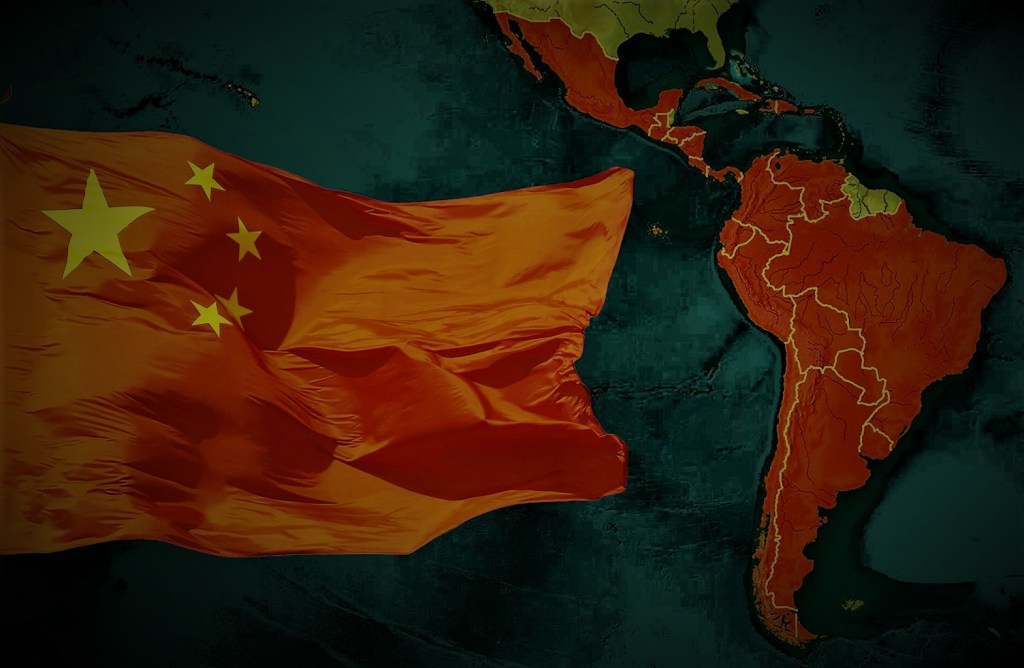
China’s military, known as the People’s Liberation Army (PLA), is the largest military force in the world, with over two million active personnel. As a rising superpower, China’s military capabilities and goals have become a focus of attention for many countries around the world. In this article, we will provide an overview of China’s military,… Continue reading
-
The Book of Tea by Kakuzo Okakura
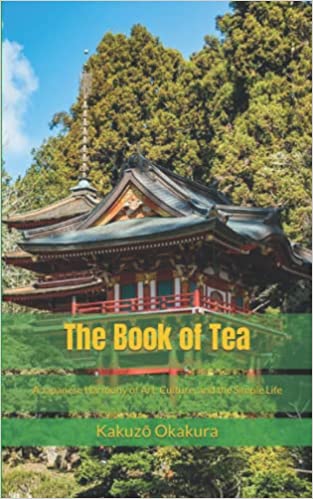
The Book of Tea, written by Kakuzo Okakura, is a literary masterpiece that delves into the rich and intricate world of Japanese tea culture. Originally published in 1906, this classic work provides readers with a profound understanding of tea as more than just a beverage, but as a philosophy, an art form, and a way… Continue reading
-
The end of the “End of history”
Fukuyama’s “end of history” theory, proposed in his influential 1989 essay “The End of History?” and later expanded upon in his book “The End of History and the Last Man,” has been a subject of much debate and critique since its inception. While Fukuyama argued that the end of the Cold War and the triumph… Continue reading
-
The East and the West
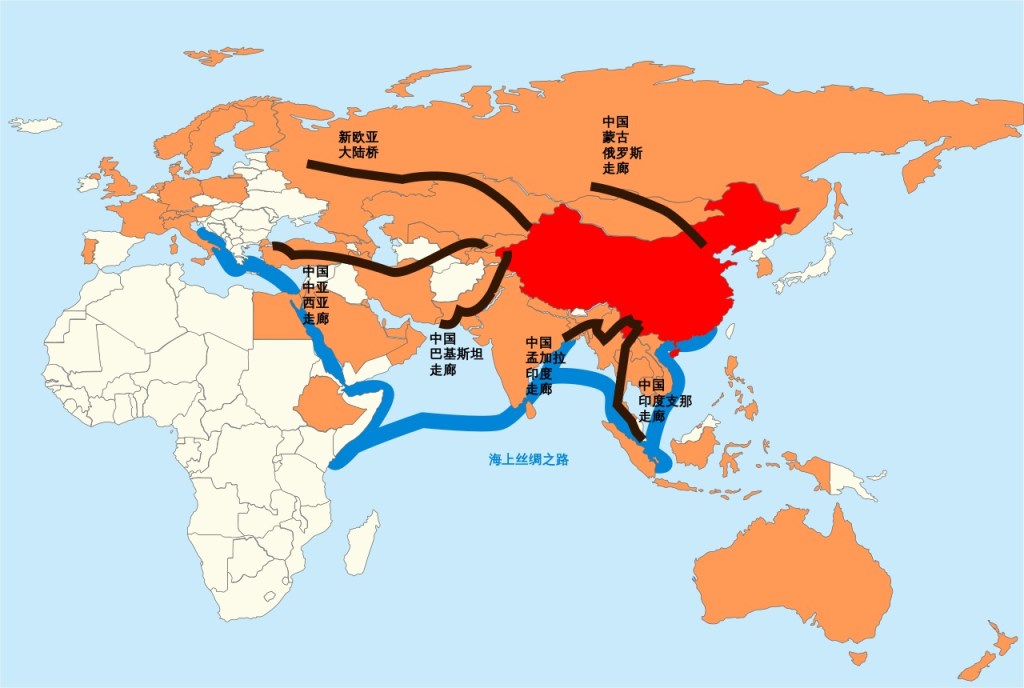
For centuries, the West has been fascinated with the East. This fascination has taken many forms, ranging from colonialism and imperialism to the exploration of Eastern religions and philosophies. In this article, we will explore the historical, cultural, and philosophical factors that have contributed to this fascination and its ongoing impact on Western society. Historical… Continue reading
-
Absolute ideal war and real war
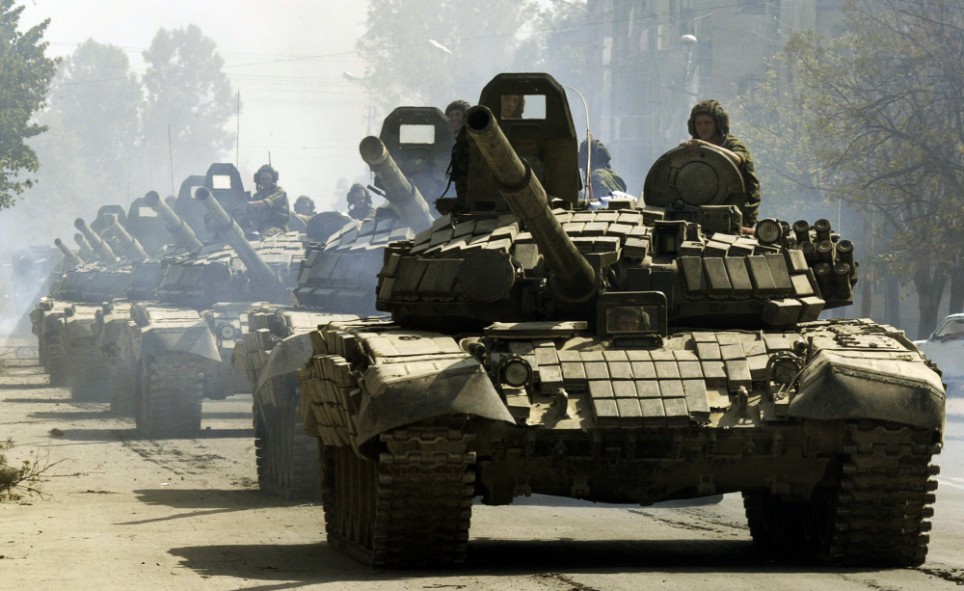
In the first chapter of his book “On war” Carl von Clausewitz makes a distinction between “absolute war” and “limited war”. Absolute war would be possible in an ideal world, the world of the perfection of the absolute. This kind of war, by definition, would entail the complete destruction of one’s enemy. In the real… Continue reading
-
What is framing?
Framing is a term used to describe the way that information is presented and interpreted by individuals. In journalism, framing refers to the way that news stories are presented to the public. This can include the language used in headlines and articles, the placement of stories within the publication, and the use of images and… Continue reading
-
Why a multipular world is a dangerous idea
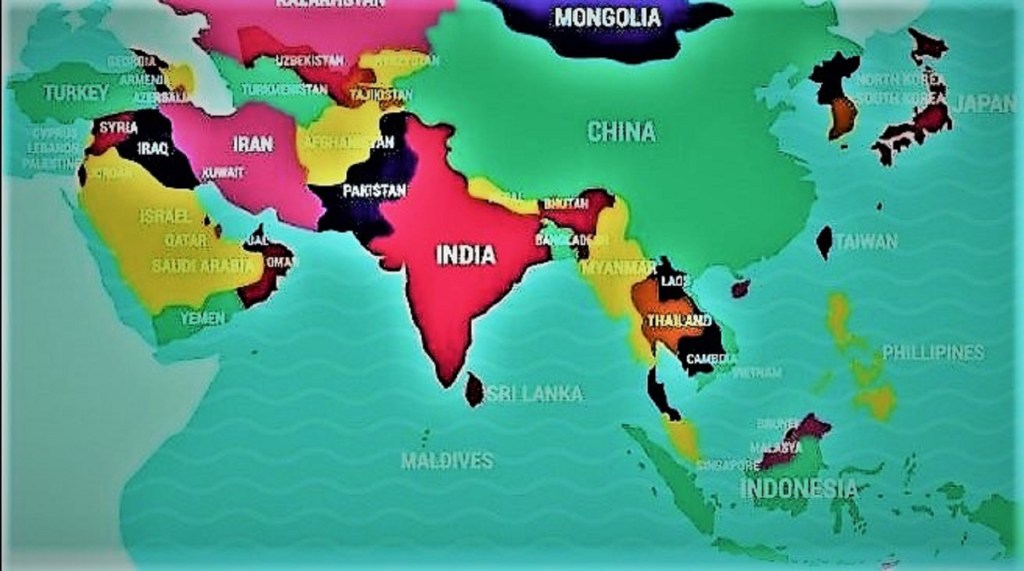
In recent years, there has been much discussion about the potential benefits of a multipolar world, where several major powers exist and compete for influence and resources. However, despite these arguments, there are several reasons why a multipolar world could be a bad idea for the global community. Firstly, a multipolar world would likely increase… Continue reading
-
If we want to avoid World War III, Europe needs to offer Russia a way out in Ukraine
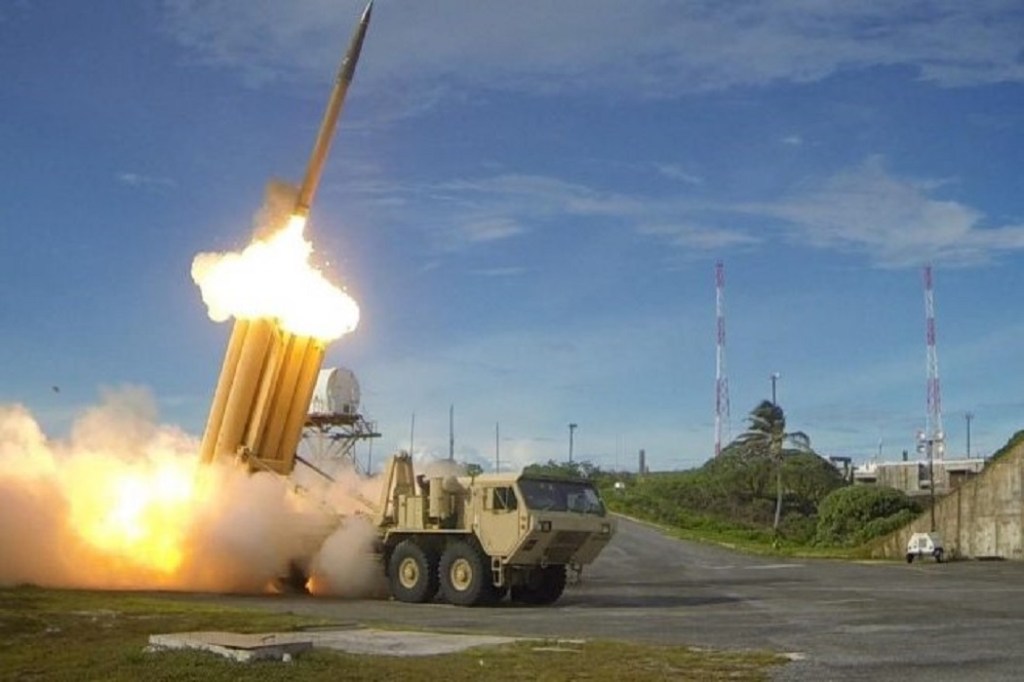
Russia’s war in Ukraine will soon be one year old. After the sense of elation and excitement in the Western corridors of power about the late successful Ukrainian offensives in the regions of Kharkiv and Herson, the conflict now seems to have reached a stall with intense fighting around the city of Bakhmut in the… Continue reading
-
5 largest armies in the world
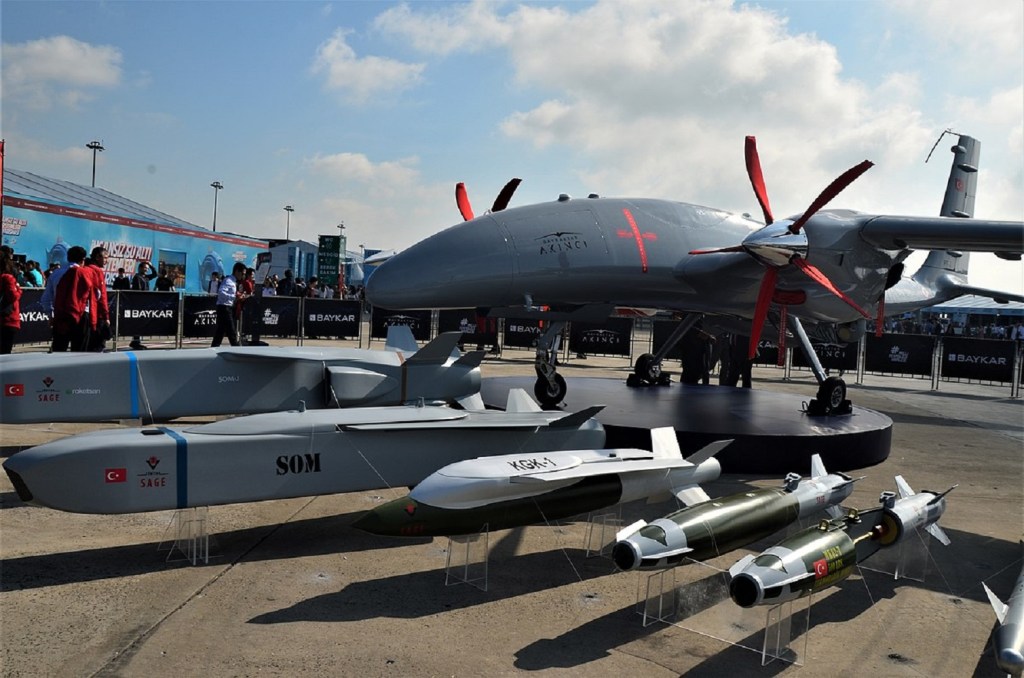
1 China With a total population of over 1.4 billion people, it’s no surprise that China has the largest army in the world. The Chinese People’s Liberation Army (PLA) has approximately 2.1 million active military personnel, with an additional 510,000 reservists. The PLA is divided into five branches: the Ground Force, Navy, Air Force, Rocket… Continue reading
-
Nietzsche and France
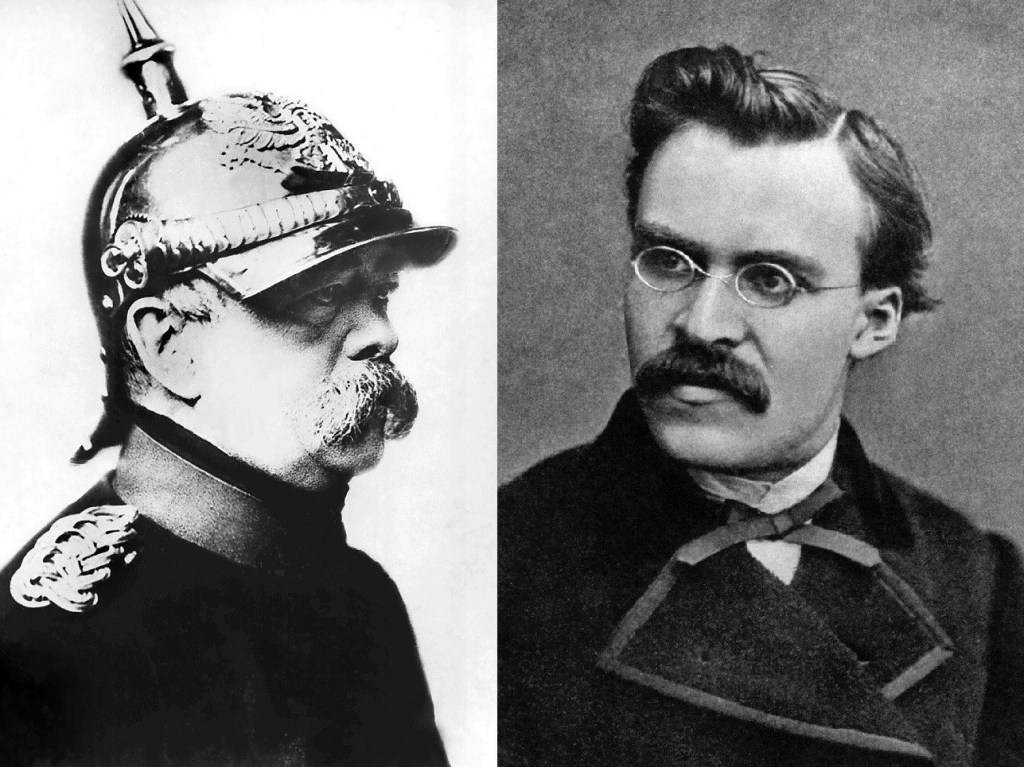
Friedrich Nietzsche was a German philosopher, cultural critic, and poet who lived from 1844 to 1900. Although Nietzsche is often associated with German culture, his work also contains many reflections on French culture and society. Nietzsche’s relationship to France and French culture was complex, with both admiration and criticism for various aspects of French culture.… Continue reading
-
Nietzsche et la France
Friedrich Nietzsche était un philosophe allemand, critique culturel et poète qui a vécu de 1844 à 1900. Bien que Nietzsche soit souvent associé à la culture allemande, son travail contient également de nombreuses réflexions sur la culture et la société françaises. La relation de Nietzsche avec la France et la culture française était complexe, avec… Continue reading
-
Indian philosophy and ancient Greece
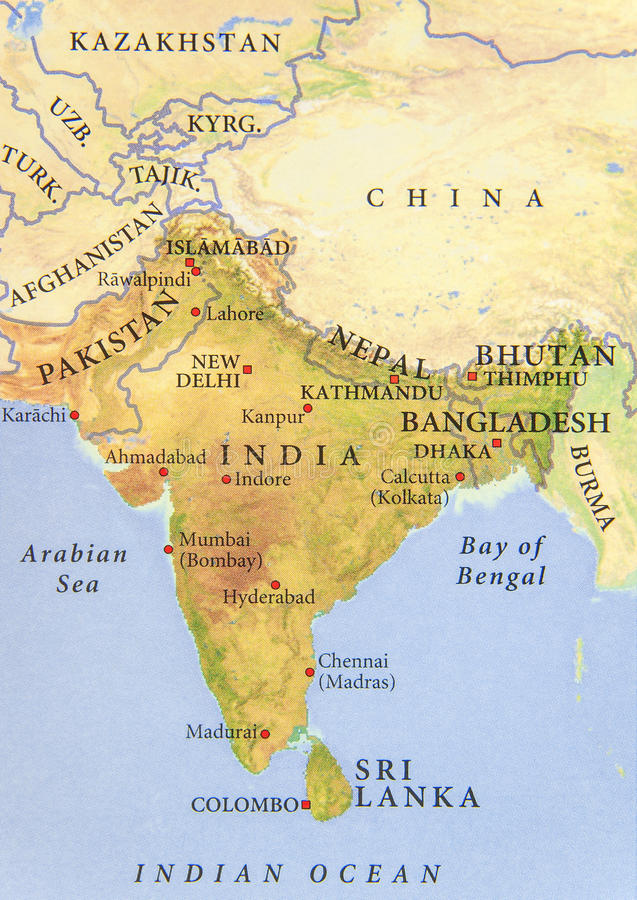
Indian philosophy and ancient Greek philosophy are two of the most influential philosophical traditions in the world. While they may have evolved independently of each other, they share some commonalities in their ideas and concepts. In this essay, we will explore the relationship between Indian philosophy and ancient Greek philosophy and how they have influenced… Continue reading
-
What are the scenarios for the war in Ukraine in 2023?
The Russian war in Ukraine has certainly loomed longer than experts could have predicted a year ago, when US intelligence and Western media were already warning of an imminent Russian invasion. If at the beginning it seemed that the Ukrainian resistance could last at most a few weeks (a bit like the Polish resistance in… Continue reading
-
Caricature and realpolitik of Russia’s war in Ukraine
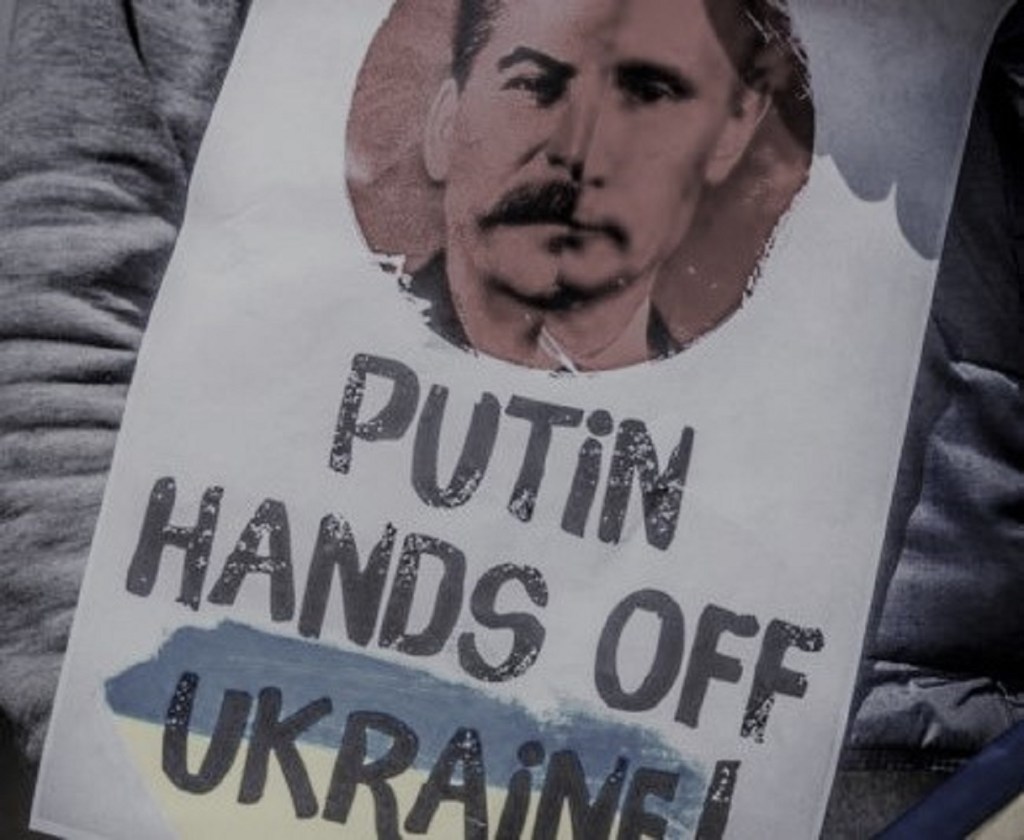
In the West the view of Russia and Russians is often lived through a host of memes. Memes by their nature of course are bereft of any nuance or complexities, they are simple frameworks that given omnipresent exposure allow for the formation of entrenched beliefs. The result of these memes is that most people in… Continue reading

 EAST AND WEST