-
The 10 best books about the East and the West
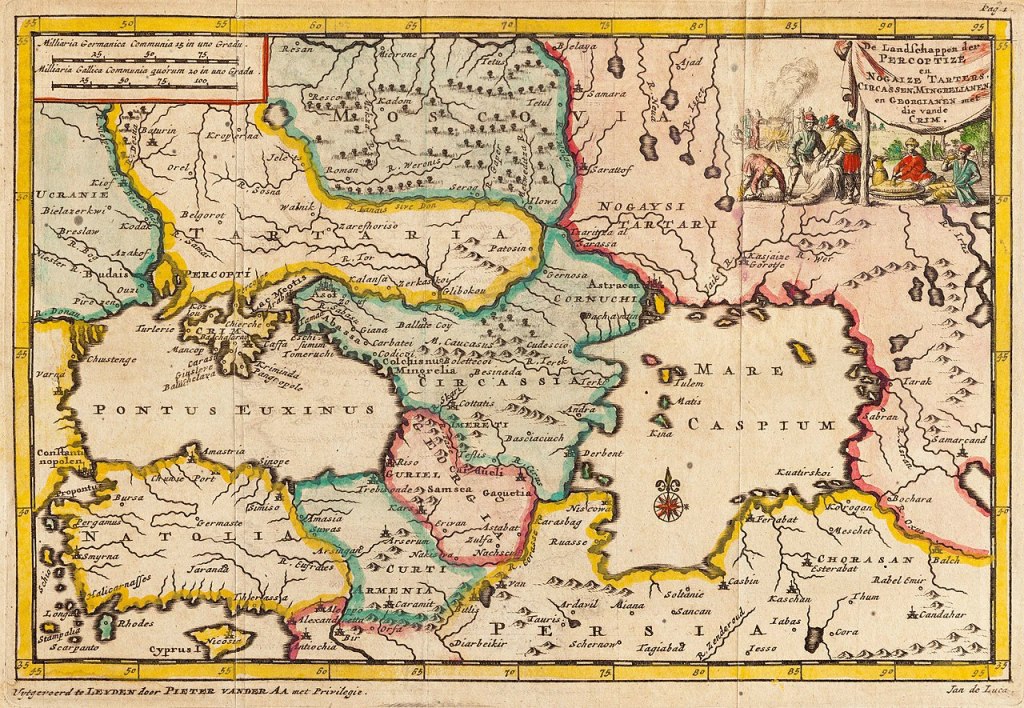
Here a very subjective list of most interesting books on the East and the West that you can easily find today. For Lust of Knowing: The Orientalists and their Enemies, by Prof. Robert Irwin: A story of Oriental studies The Silk Roads, by Prof. Peter Frankopan, “a new history of the world”, like the subtitle… Continue reading
-
Germany acts as a vassal of the USA in the Ukraine war

For the vast majority of German politicians and journalists, the war in Ukraine began on February 24, 2022. With this view, which ignores the complete history of the Russian army’s invasion of Ukraine, Germany cannot make any contribution to peace. The sentence is attributed to the poet Aeschylus: In war, truth is the first casualty.… Continue reading
-
The Shocking Truth About the Dark Side of Social Media: How It’s Secretly Affecting Your Mental Health!
Social media has become an integral part of our daily lives. We use it to connect with friends and family, share our thoughts and experiences, and stay up-to-date with the latest news and trends. But what if we told you that social media has a dark side that’s secretly affecting your mental health? However there… Continue reading
-
Does the West really care about Afghanistan?
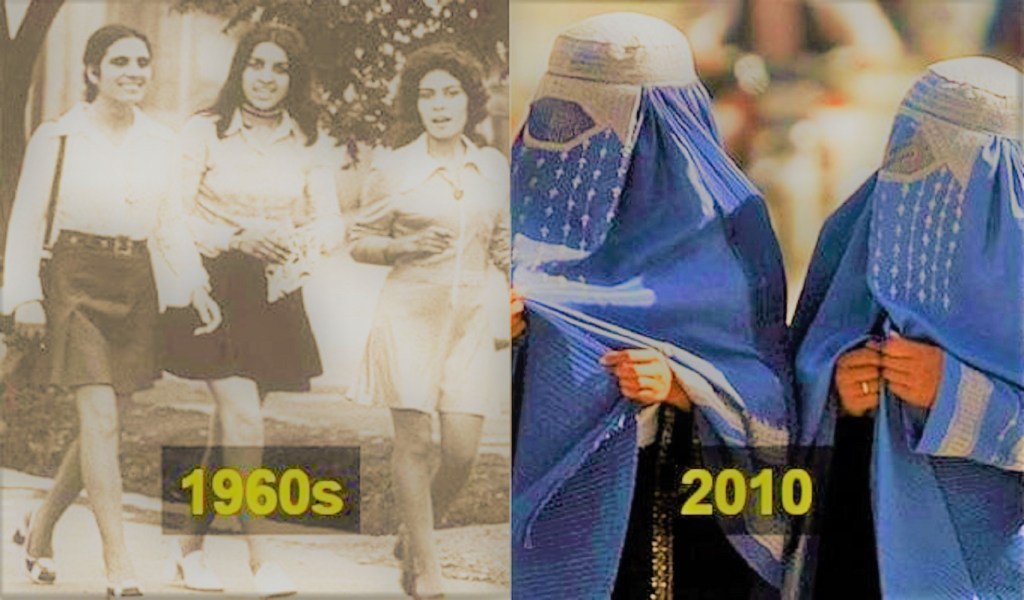
Its been a year since the US left Afghanistan. On the anniversary of that very event Western media outlets eagerly describe how the country is rapidly descending into chaos and how now Afghanistan is on the verge of turning into the biggest humanitarian crisis of 2022. Hospitals run out of medication and the country slowly… Continue reading
-
Закат западной философии?
Чтобы понять конечное предназначение (Bestimmtheit) философии— не как университетской дисциплины, а как антропологической установки, как способа бытия в мире —, прежде чем спрашивать себя о ее судьбе (Geschick), нам, безусловно, следует обратиться к происхождению самой философии. Философия, как написал знаменитый итальянский философ Эмануэле Северино, «рождается великой», то есть содержит в своем восходе и рассвете весь… Continue reading
-
Forget the tears. The West is happy that Russia has attacked Ukraine
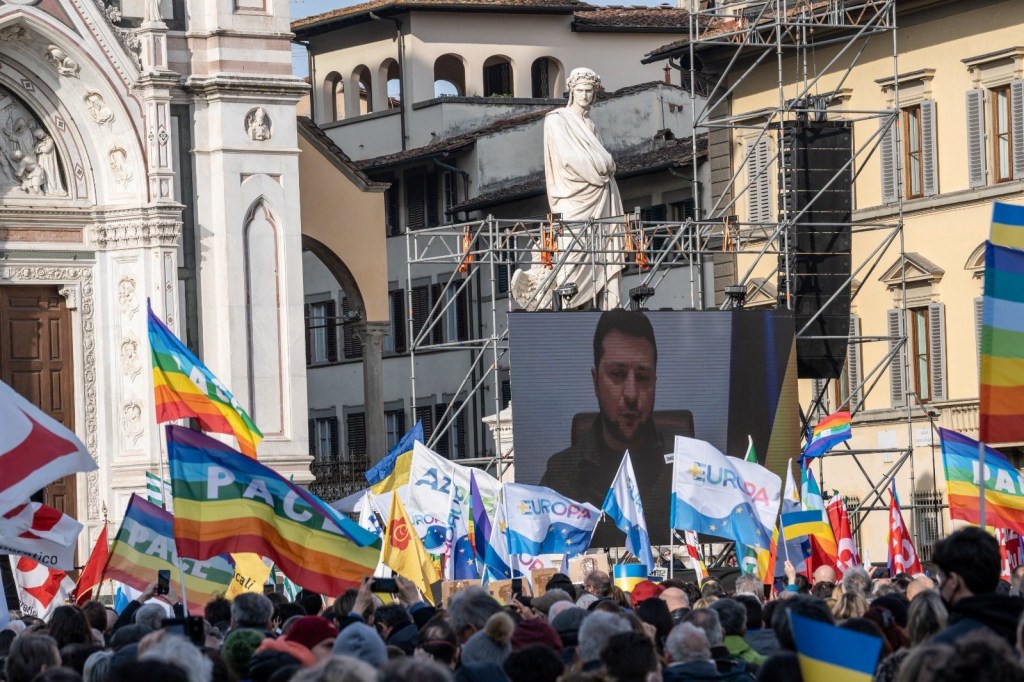
At first it may seem of course a terrible thing even to just entertain such a thought. Yet there are a lot of elements to suggest that Europe and the United States may not entirely be disinterested in the prolongation of the Ukrainian crisis, since February taken to a new level by the open confrontation… Continue reading
-
Ist die westliche Philosophie zum Untergang bestimmt?
You can read this text in English here. Um die letzte Bestimmung (auch „Bestimmtheit“) der Philosophie zu verstehen, bevor wir uns fragen, ob die Philosophie noch eine Ziel, ein Geschick haben kann – nicht als Universitätsdisziplin, sondern als anthropologische Haltung, als Weise des In-der-Welt-Seins –, müssen wir uns zunächst ihrem Ursprung zuwenden. Die Philosophie, schrieb… Continue reading
-
Is Western philosophy destined for decline?
To understand the ultimate destination (what some German philosophers have called Bestimmtheit) of philosophy, before asking ourselves about its having or not having – not as a university discipline, but as an anthropological posture, as a way of being in the world – still a Destiny (Geschick), we must certainly first of all turn to… Continue reading
-
Security Policy and the Western Demonization of Russia and its Citizens – NachDenkSeiten
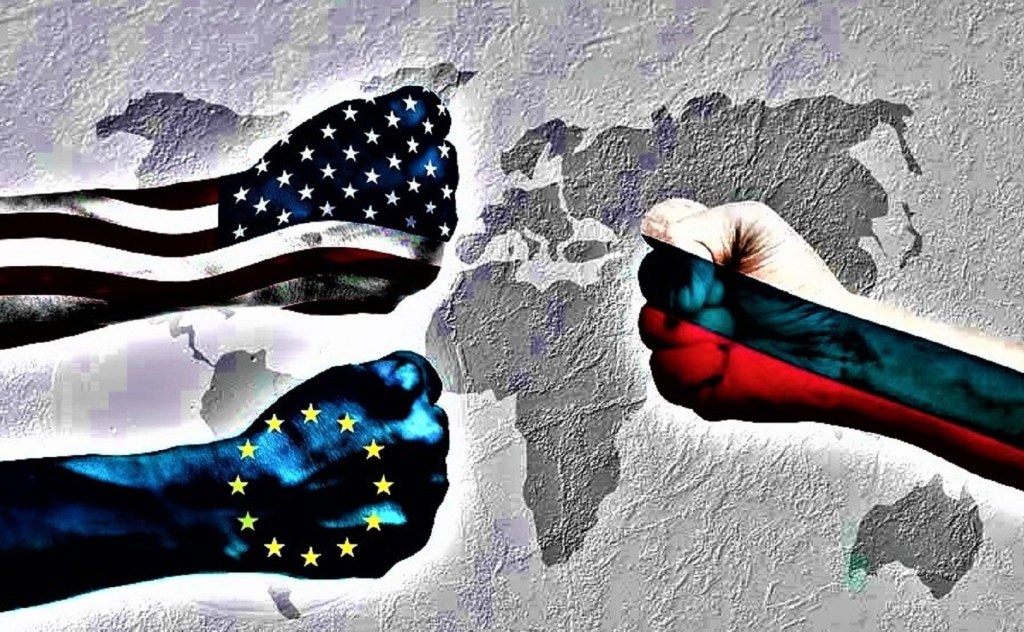
This article originally appeared on NachDenkSeiten.de Unfortunately, how the war in Ukraine is to be ended and how peace and a stable security structure are to be designed afterwards is still not on the agenda of the warring parties and, above all, not on the current agenda of the western states that support Ukraine. How… Continue reading
-
Emanuele Severino: Being and eternity
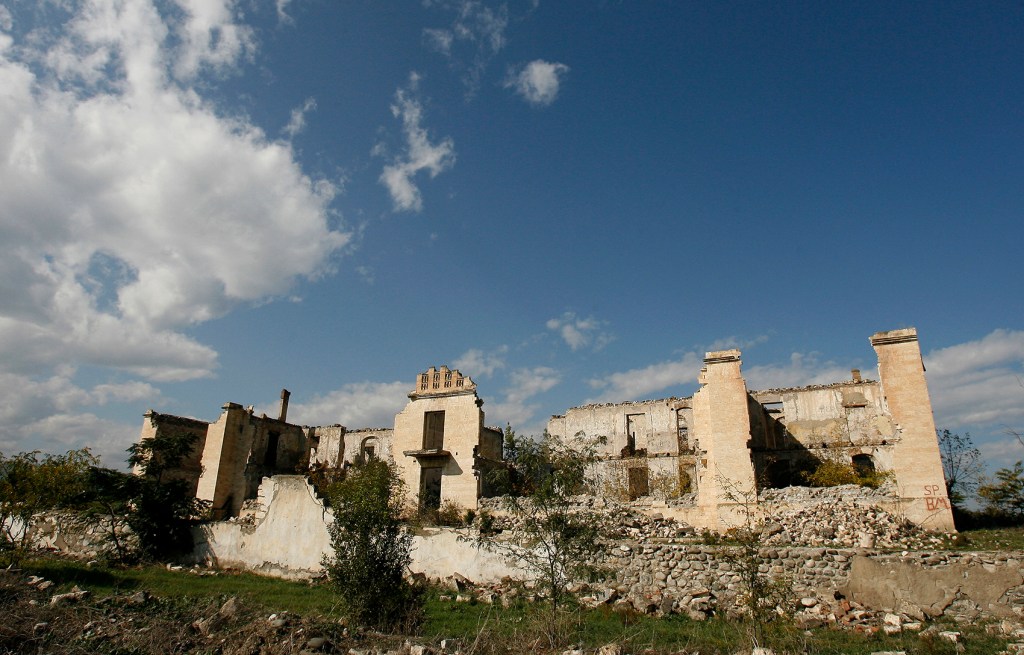
Emanuele Severino (1929-2020) was an Italian philosopher and one of the most important thinkers of the 20th century. His work is characterized by a sustained critique of Western metaphysics, which he argues is grounded in a fundamental error of thinking. Severino’s philosophy is a radical and comprehensive critique of Western thought, from Plato to Heidegger,… Continue reading
-
There is no alternative to liberalism
Liberalism is a political philosophy that emphasizes individual freedom and equality, the rule of law, and limited government intervention in the economy. It is an ideology that has been around for centuries, and it has been the dominant political philosophy in Western democracies since the 19th century. While there are many criticisms of liberalism, there… Continue reading
-
Secret services and the media

The infiltration of Western secret services, such as the CIA, into journalism and the media is a well-documented phenomenon. The practice, commonly known as “Operation Mockingbird,” was first revealed in the 1970s, when a Senate committee exposed the extent of the CIA’s efforts to influence the media. However, this practice has continued to this day,… Continue reading
-
What would a Chinese world look like?
China is a country with a rich history and culture that spans over several millennia. With a population of over 1.4 billion, it is the most populous country in the world and the second-largest economy after the United States. The influence of China on the global stage has been steadily increasing over the past few… Continue reading
-
Heidegger and ethics
Martin Heidegger is considered one of the most influential philosophers of the 20th century. Born in Germany in 1889, Heidegger’s works have been widely studied and discussed for decades. One of his most notable contributions to philosophy is his concept of ethics, which emphasizes the importance of authenticity and individual responsibility. In Heidegger’s view, ethics… Continue reading
-
Why did Schopenhauer hate Hegel?
Arthur Schopenhauer and Georg Wilhelm Friedrich Hegel were two of the most influential philosophers of the 19th century. While both were German, their philosophies were very different, and Schopenhauer was a harsh critic of Hegel’s work. One of the main reasons Schopenhauer disliked Hegel’s philosophy was that he felt it was overly complex and inaccessible.… Continue reading
-
India and the West
India, with its rich history, diverse culture, and ancient traditions, has had a significant impact on the Western world. India’s influence on the West spans several areas, including religion, philosophy, literature, art, music, and cuisine. In this essay, we will explore some of the ways in which India has shaped Western culture. One of the… Continue reading
-
How to start a business in China
Starting a business in China can be a great opportunity for entrepreneurs, but it can be challenging if you don’t have capital to invest. However, there are still several business ideas that you can pursue even with limited capital. Here are a few options to consider: Dropshipping – You can start a dropshipping business by… Continue reading
-
Business opportunities in India
There are many different types of businesses you can do with India, as it is one of the largest and fastest-growing economies in the world. Here are some examples: IT Services: India is known for its expertise in the IT industry, and many businesses outsource their IT needs to Indian firms. This can include software… Continue reading
-
The decline of the West?
The concept of the decline of the West has been debated and discussed by scholars and thinkers for more than a century. The term was first used by the German philosopher Oswald Spengler in his book “The Decline of the West” (Der Untergang des Abendlandes), published in 1918. Spengler argued that Western civilization was in… Continue reading
-
THE GREAT CONFLICT FOR THE REORGANIZATION OF THE WORLD
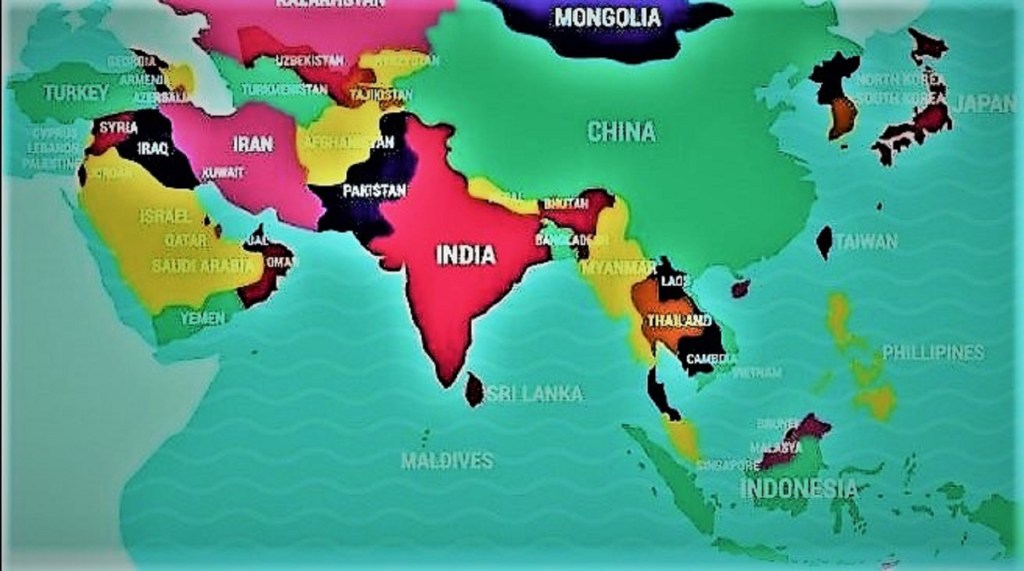
This article was originally published on L’Antidiplomatico. The associated forms of human life that we can call “society” if seen from the inside, or “states”, if from the outside, have always had three kinds of exchanges between them: short, medium and long term. Although the rhetoric of globalization gave a superficial impression that distances and… Continue reading

 EAST AND WEST