-
Why a multipular world is a dangerous idea
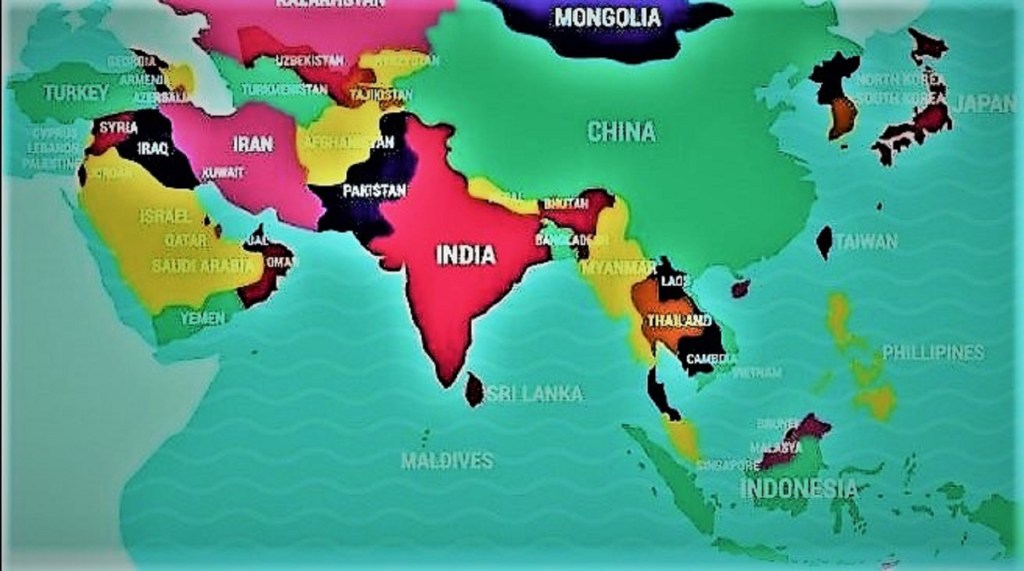
In recent years, there has been much discussion about the potential benefits of a multipolar world, where several major powers exist and compete for influence and resources. However, despite these arguments, there are several reasons why a multipolar world could be a bad idea for the global community. Firstly, a multipolar world would likely increase… Continue reading
-
If we want to avoid World War III, Europe needs to offer Russia a way out in Ukraine
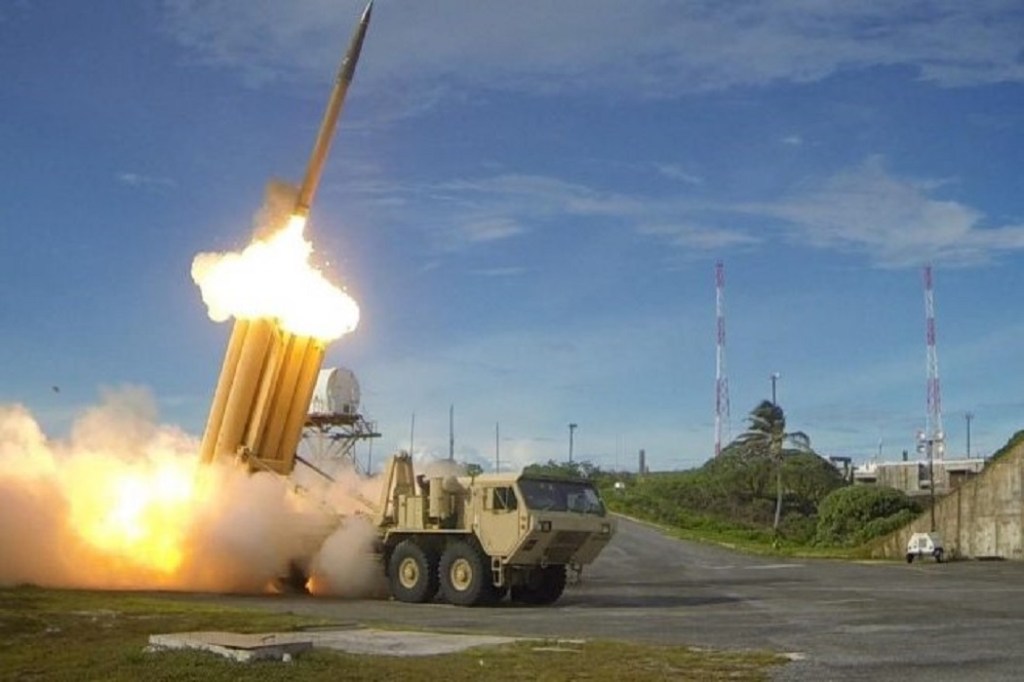
Russia’s war in Ukraine will soon be one year old. After the sense of elation and excitement in the Western corridors of power about the late successful Ukrainian offensives in the regions of Kharkiv and Herson, the conflict now seems to have reached a stall with intense fighting around the city of Bakhmut in the… Continue reading
-
5 largest armies in the world
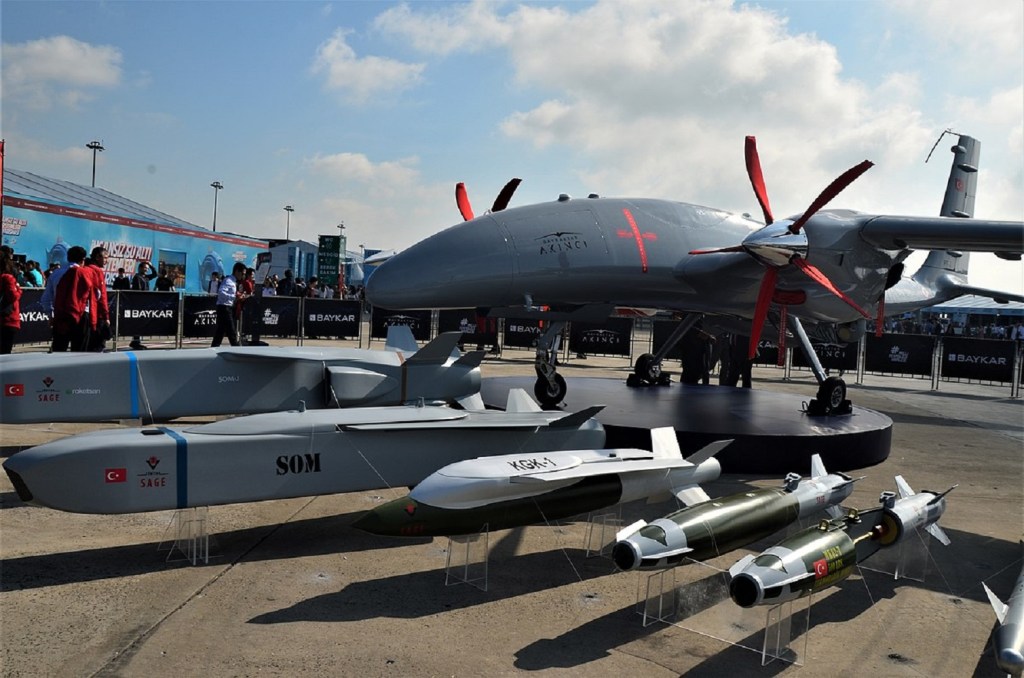
1 China With a total population of over 1.4 billion people, it’s no surprise that China has the largest army in the world. The Chinese People’s Liberation Army (PLA) has approximately 2.1 million active military personnel, with an additional 510,000 reservists. The PLA is divided into five branches: the Ground Force, Navy, Air Force, Rocket… Continue reading
-
Nietzsche and France
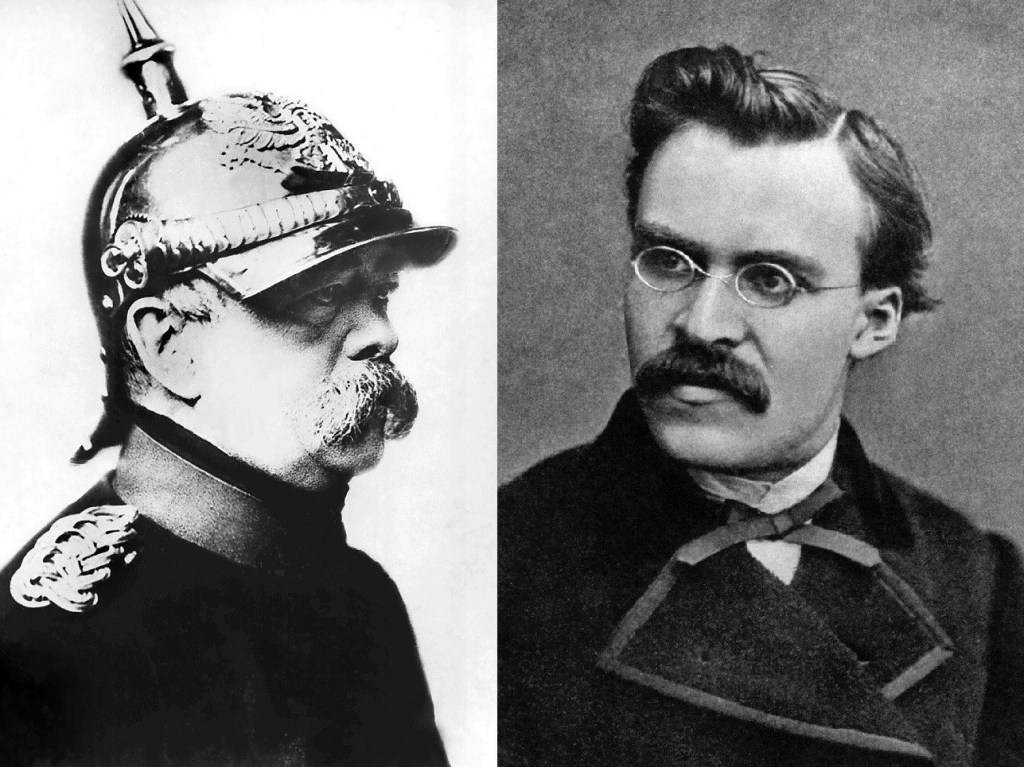
Friedrich Nietzsche was a German philosopher, cultural critic, and poet who lived from 1844 to 1900. Although Nietzsche is often associated with German culture, his work also contains many reflections on French culture and society. Nietzsche’s relationship to France and French culture was complex, with both admiration and criticism for various aspects of French culture.… Continue reading
-
Nietzsche et la France
Friedrich Nietzsche était un philosophe allemand, critique culturel et poète qui a vécu de 1844 à 1900. Bien que Nietzsche soit souvent associé à la culture allemande, son travail contient également de nombreuses réflexions sur la culture et la société françaises. La relation de Nietzsche avec la France et la culture française était complexe, avec… Continue reading
-
Indian philosophy and ancient Greece
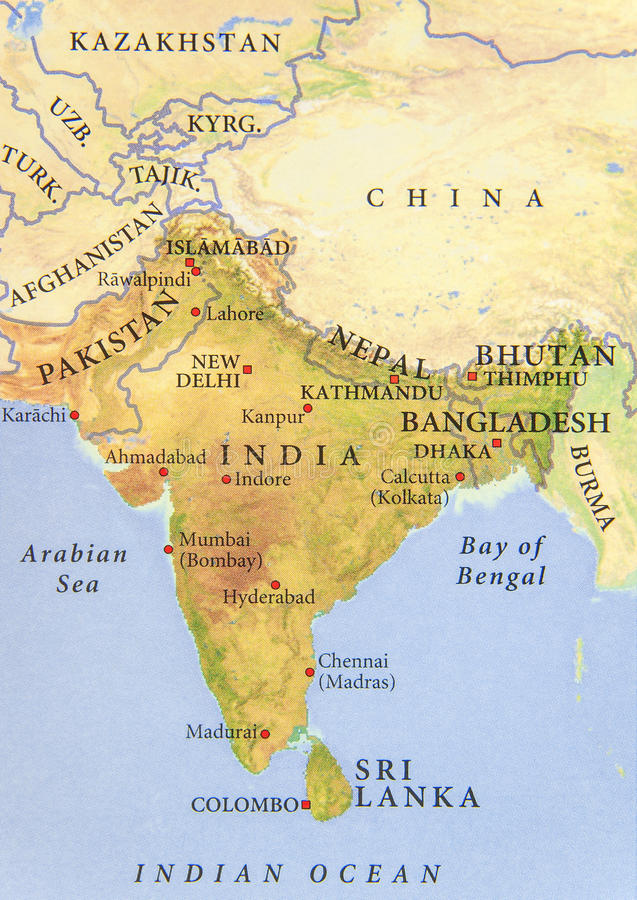
Indian philosophy and ancient Greek philosophy are two of the most influential philosophical traditions in the world. While they may have evolved independently of each other, they share some commonalities in their ideas and concepts. In this essay, we will explore the relationship between Indian philosophy and ancient Greek philosophy and how they have influenced… Continue reading
-
What are the scenarios for the war in Ukraine in 2023?
The Russian war in Ukraine has certainly loomed longer than experts could have predicted a year ago, when US intelligence and Western media were already warning of an imminent Russian invasion. If at the beginning it seemed that the Ukrainian resistance could last at most a few weeks (a bit like the Polish resistance in… Continue reading
-
Caricature and realpolitik of Russia’s war in Ukraine
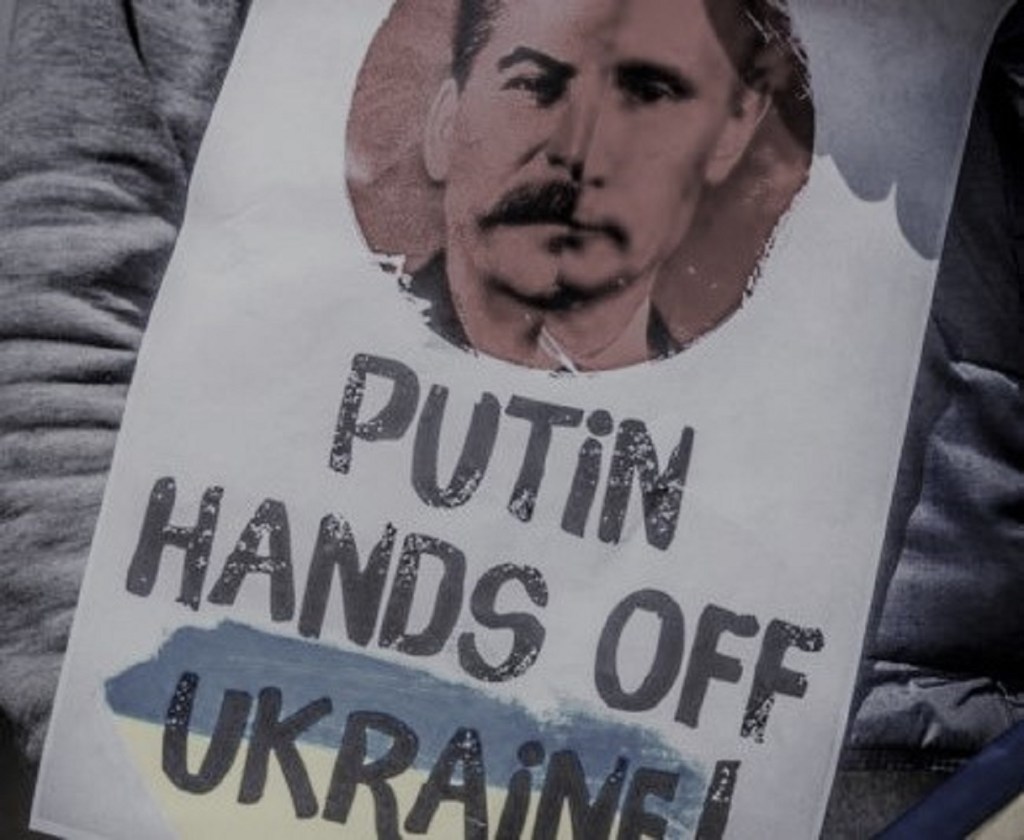
In the West the view of Russia and Russians is often lived through a host of memes. Memes by their nature of course are bereft of any nuance or complexities, they are simple frameworks that given omnipresent exposure allow for the formation of entrenched beliefs. The result of these memes is that most people in… Continue reading
-
Indian wisdom and Romanticism
The Romantic movement, which emerged in Europe during the late 18th and early 19th centuries, was characterized by a renewed interest in emotion, individualism, and nature. This movement had a profound impact on the arts and literature, but it also had an influence on philosophical thought. In particular, there were notable connections between the Romantic… Continue reading
-
The Thucydides Trap
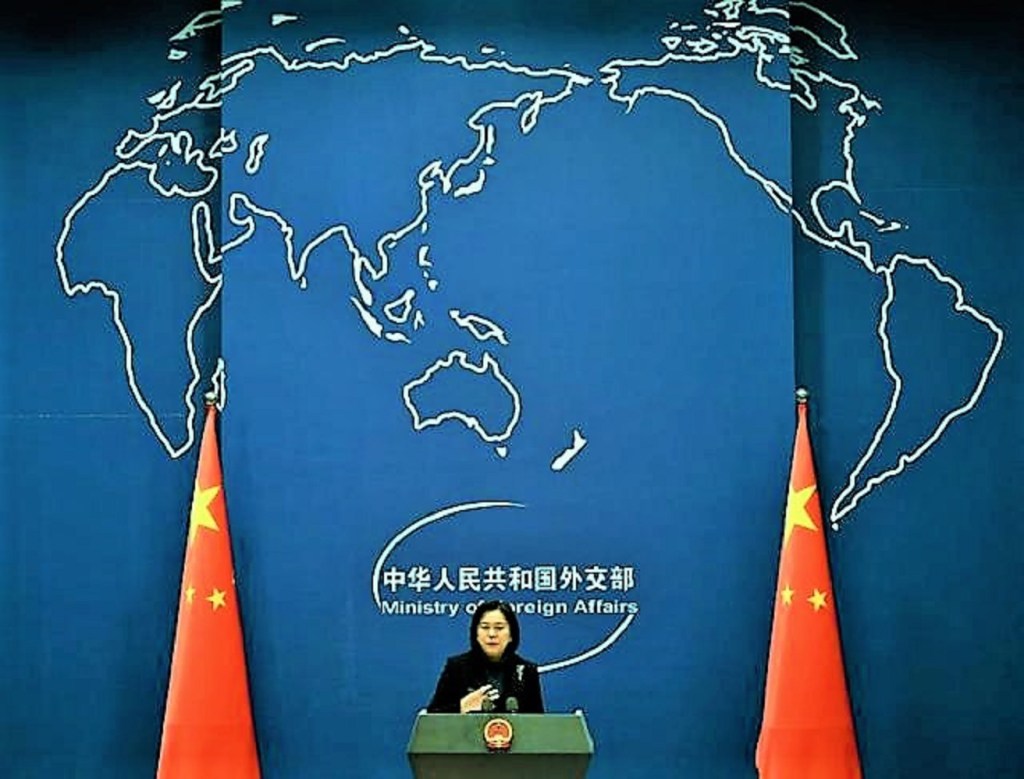
The Thucydides Trap refers to the concept that when a rising power challenges a dominant power, the result is often war. This theory is named after the ancient Greek historian Thucydides, who wrote about the Peloponnesian War, a conflict between the city-state of Athens and Sparta in the 5th century BCE. Thucydides famously said, “It… Continue reading
-
Is the West living through an era of decadence?

The question of whether the West is experiencing an era of decadence is a complex and multifaceted one, with many different perspectives and interpretations. Some argue that the West is in a period of decline, characterized by excessive indulgence, materialism, and moral decay, while others argue that this view is overstated or even unfounded. In… Continue reading
-
The true Western motto is: “We are the masters and have the say”
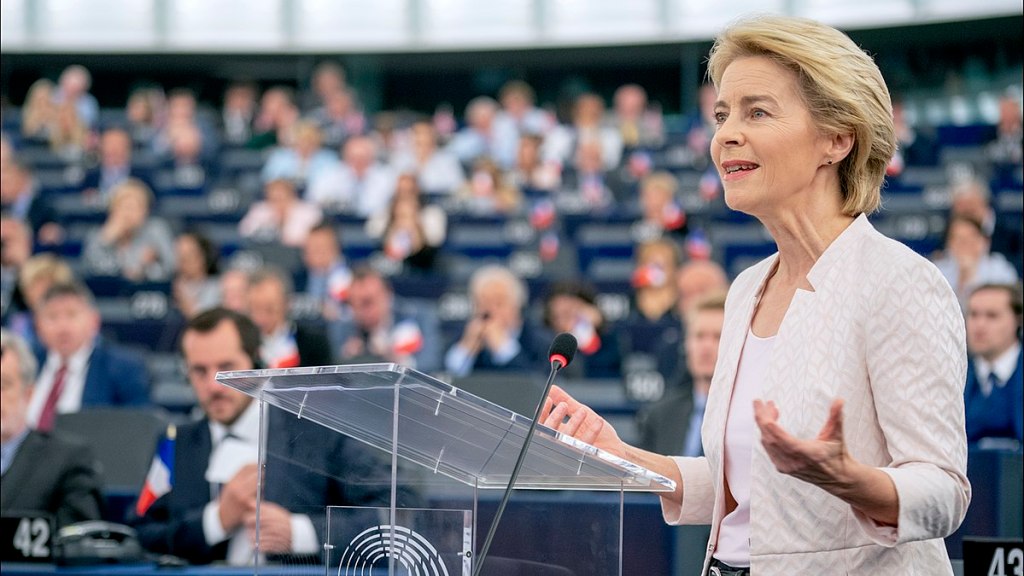
This article originally appeared on Nachdenkseiten. Driven by the same stupidity with which we try to solve our global problems today and squander our creative potential, the powerful of the early days, inspired by the simple idea “I am the Lord and I am in charge”, began to very successfully consolidate their rule and expand.… Continue reading
-
NATO propaganda works – Nachdenkseiten
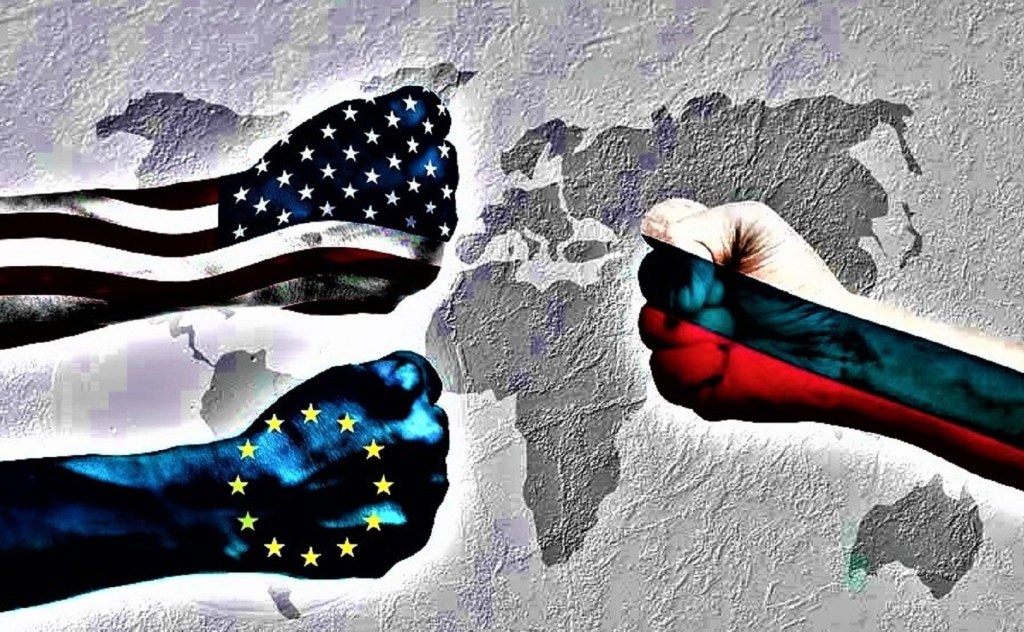
This article is based on a text published on Nachdenkseiten. NATO propaganda places responsibility for the Ukraine war solely on the Russian side by ignoring its own expansion policy. Through its regular infiltration of news management, it wins over a large majority of the Western public. “Putin ordered the war. He is responsible for every… Continue reading
-
Are Finns and Hungarians Turks? The difference between Turanism and Pan-Turkism
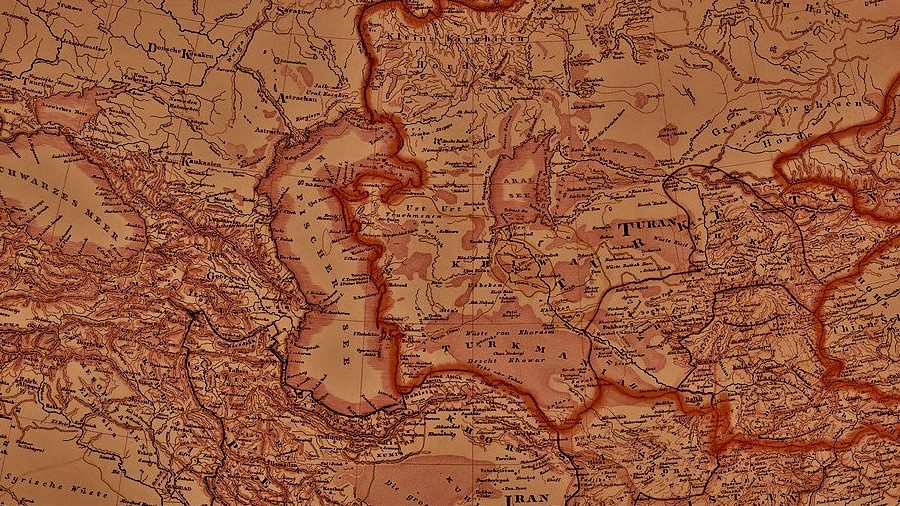
Many confuse Pan-Turkism with Turanism, including sometimes the Hungarian Prime Minister Orban. However, one can forgive him for that. Many think that the Hungarians really consider themselves Turks in the literal linguistic sense. This is far from true. Since the 19th century, the Hungarians adhered to the ideology of Turanism, not pan-Turkism. They called one… Continue reading
-
The West is Hegelian – the end of history and its discontents
Hegel’s work had a significant impact on many aspects of Western thought, particularly in the fields of philosophy and political theory. Hegel’s emphasis on historical progress and the development of human consciousness had a profound influence on later thinkers such as Karl Marx and Friedrich Nietzsche, and his ideas continue to be debated and discussed… Continue reading
-
Does Italian media make us more free? – Alessandro Orsini
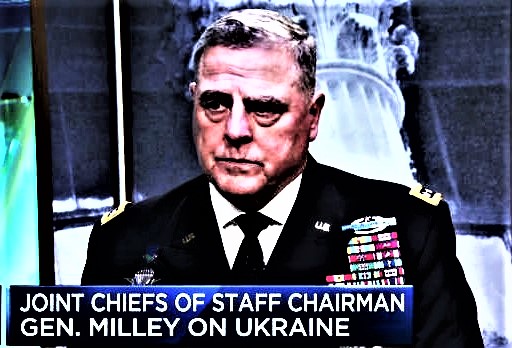
And now General Mark Milley, the chief of staff of the American armed forces, suggests dealing with Russia. The general explains that there has been a massacre in Ukraine: the massacre that I foreshadowed on February 24 in my first speeches on the war. General Milley says about 100,000 Russian soldiers and about 100,000 Ukrainian… Continue reading
-
The Western fascination with the East – part I
Is Orientalism A Sign of Western Decadence? Relations between “the East” and “the West” have always been complex throughout history. At the beginning of time, at the dawn of history, everything was clear: the Orient was the birthplace of culture and civilisation. “Ex oriente lux”, like the Romans said, light comes from the East, the… Continue reading
-
Why is Hegel important?
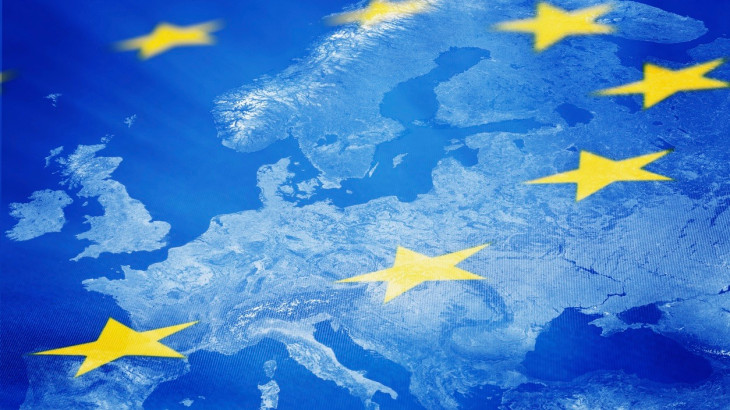
Georg Wilhelm Friedrich Hegel (1770-1831) was a German philosopher whose ideas have had a profound impact on Western philosophy and intellectual history. He is regarded as one of the most important philosophers of the modern era, and his influence can be seen in many areas of thought, including politics, ethics, aesthetics, and metaphysics. In this… Continue reading
-
Zelensky has no interest in peace – Diego Fusaro
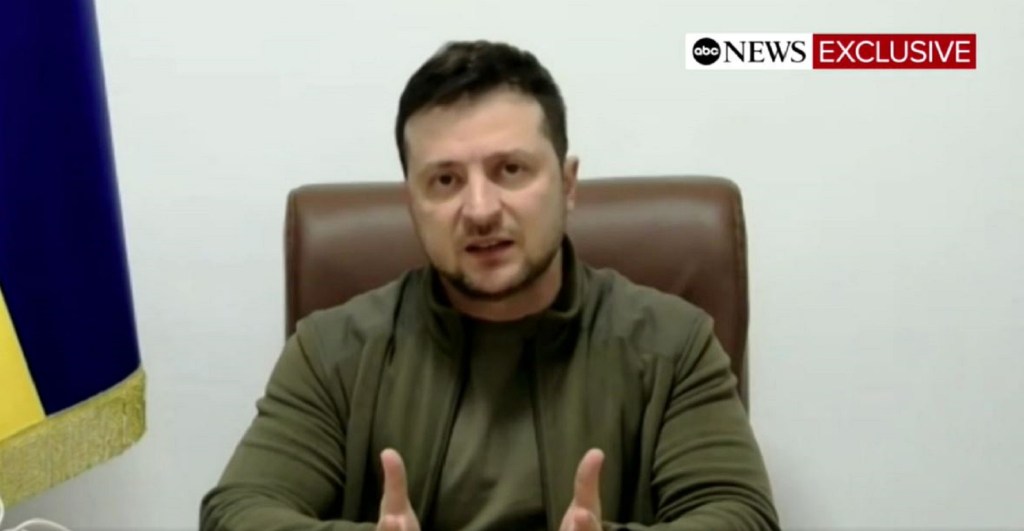
It is now clear and beyond any reasonable doubt: Ukraine, guided by the mummer Zelensky, a NATO actor, is looking for total war. He has no intention of trying to follow the diplomatic path and quickly achieve peace. This is what emerges from the most recent declarations by the G7 fool: no possibility of dialogue… Continue reading
-
С Западом или с Востоком?
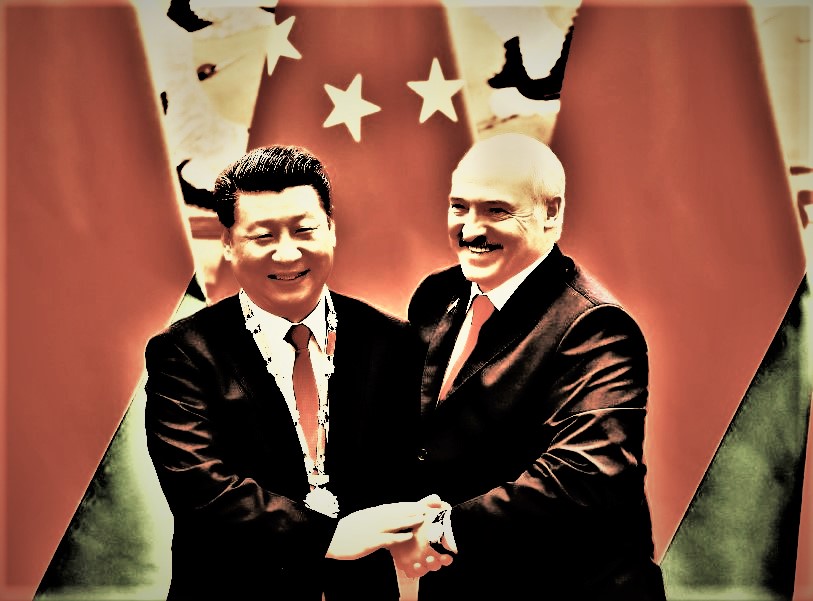
Должны ли страны и культуры обязательно делать выбор между Востоком и Западом? Разве нельзя просто иметь нормальные отношения и с Востоком, и с Западом, и при этом не становиться частью одного из них? Запад, продукт европейской цивилизации, кажется, имеет более четкую идентичность. В течение века Восток, Азия были всем, чем не был Запад. В этом… Continue reading
-
With the East or with the West?
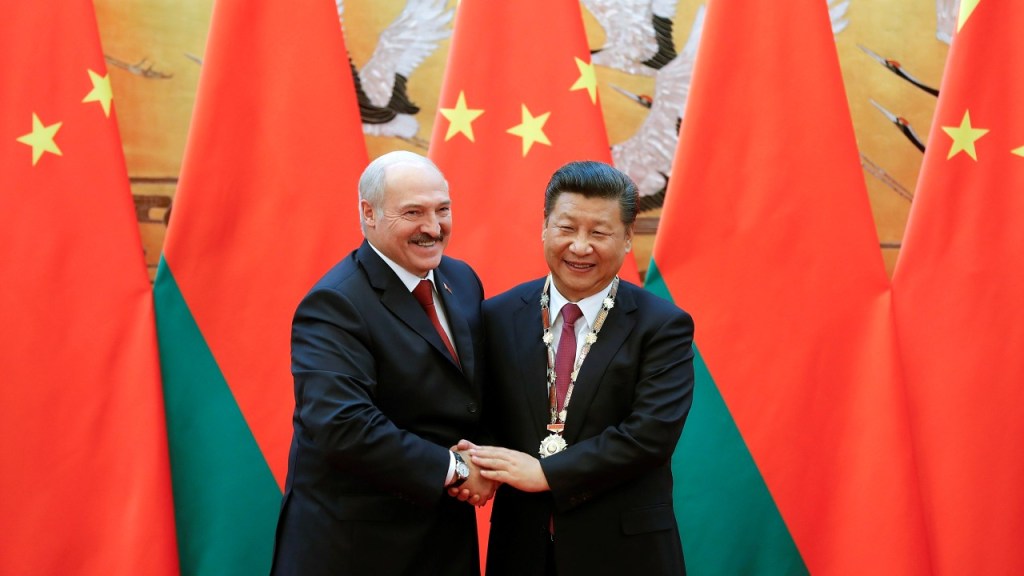
Do nations and cultures have to make a necessarily choice between East and West? Is it not possible to have normal relations with both the East and the West, without necessarily becoming part of one? The West, a product of European civilization, seems to have a more clear identity. For century the East, the Orient,… Continue reading
-
The philosophy of neoliberalism
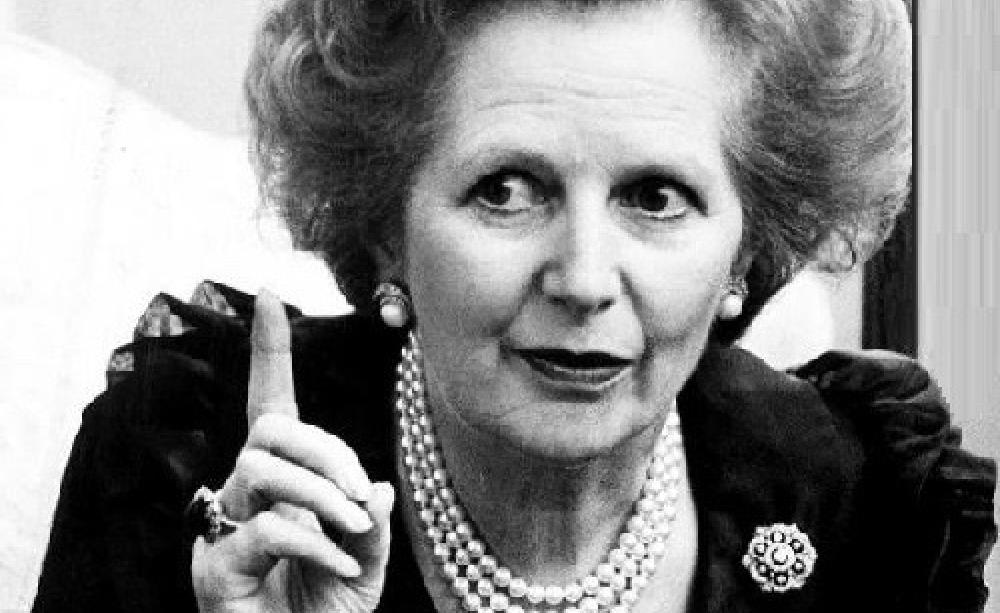
Neoliberalism is a political and economic philosophy that emerged in the mid-20th century and has since become a dominant force in global politics and economics. It is characterized by a focus on individual freedom, free markets, and the privatization of public goods and services. In this essay, we will explore the philosophy of neoliberalism, its… Continue reading
-
What’s all this hype about Stoicism?
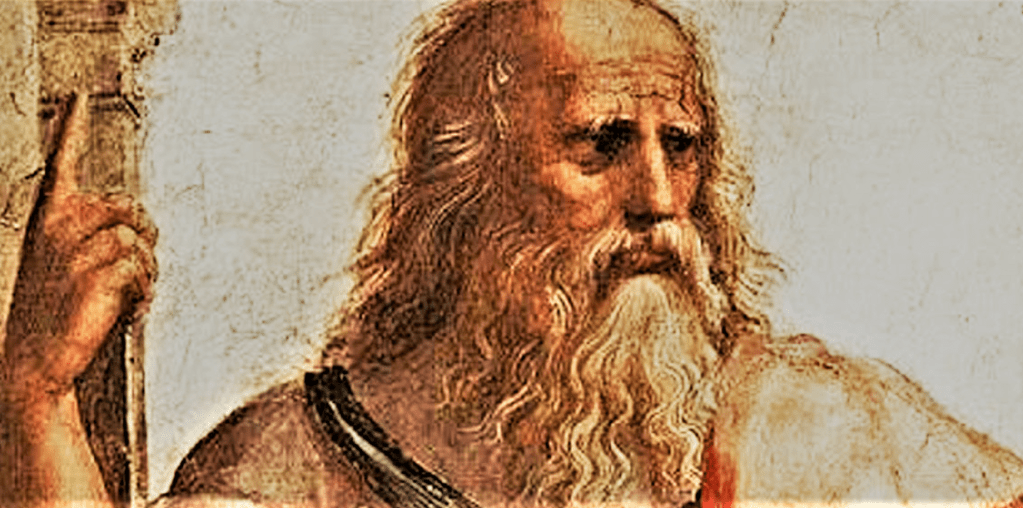
Stoicism is a school of philosophy that originated in ancient Greece and was founded by the philosopher Zeno of Citium in the early 3rd century BC. Its teachings emphasize self-control, rationality, and the acceptance of one’s fate as a means of achieving inner peace and tranquility. While some people find value in these teachings, others… Continue reading
-
Our problem is called USA – Nachdenkseiten
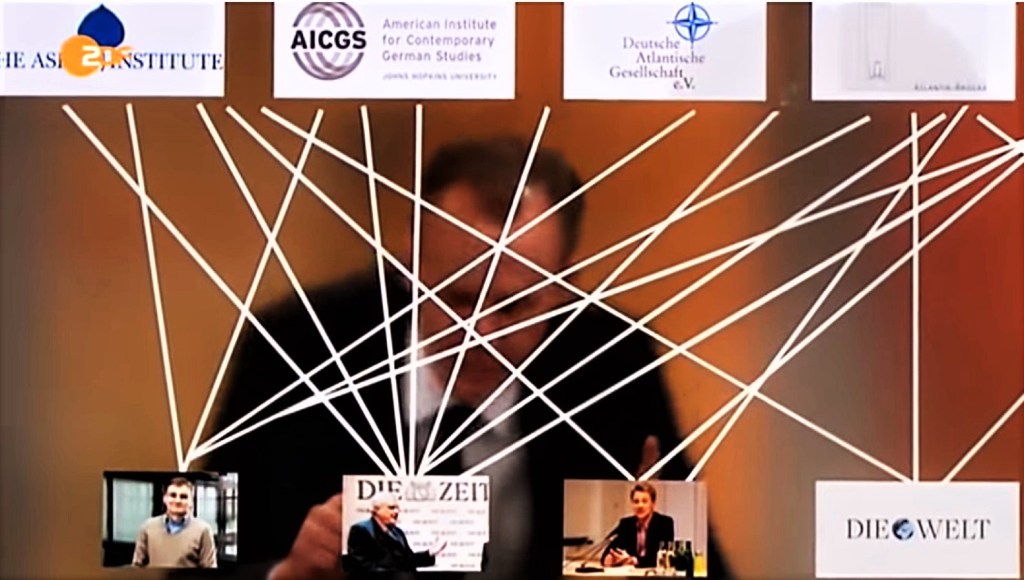
This text was originally published on Nachdenkseiten. It is not yet 100 percent certain that the USA is behind the sabotage of the two Baltic Sea pipelines. But the evidence and the interests speak for it. Our colleague Jens Berger explained this conclusively here two days ago: ““The attacks on Nord Stream and the elephant… Continue reading
-
Will Europe break with the United States?
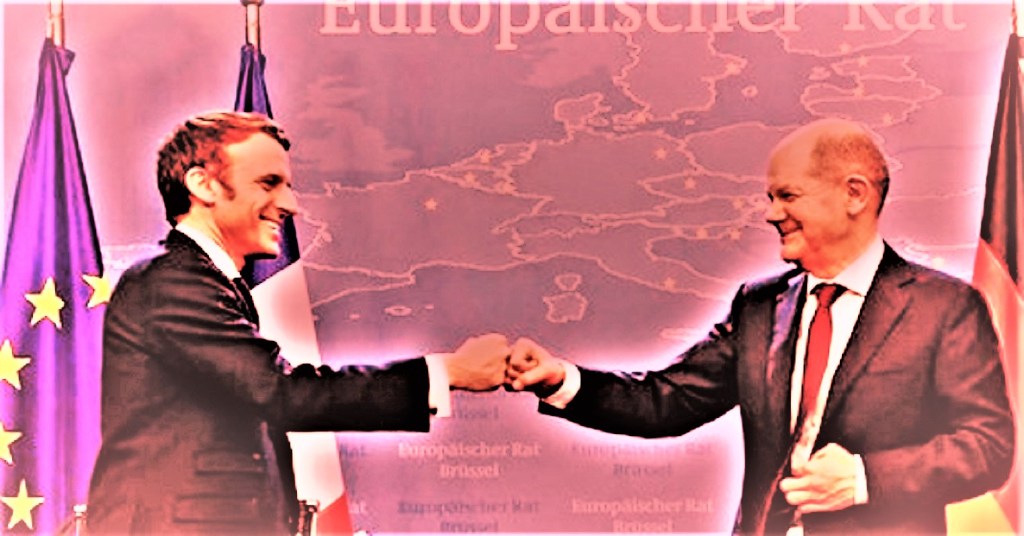
I received a great questions from a German reader who also happens to be a journalist. He asked, “What would be a way and what would be the practical implications if Europe in general and Germany in particular were to break with the US in order to find a European peace and economic framework including… Continue reading


